

As I stirred the vibrant flavors of the sauce, a satisfying aroma filled my kitchen, instantly transporting me to a cozy street market in Seoul. These Quick & Flavorful Korean Beef Sesame Noodles capture that essence beautifully, merging sweet, salty, and spicy notes into one irresistible dish. What I love most is how easily they come together in under 30 minutes—perfect for anyone craving a delicious homemade meal without enduring the chaos of takeout. With the flexibility to use pantry staples and adjust for gluten-free eaters, this recipe is not just adaptable but also a crowd-pleaser sure to impress family and friends. So, are you ready to create this mouthwatering masterpiece?
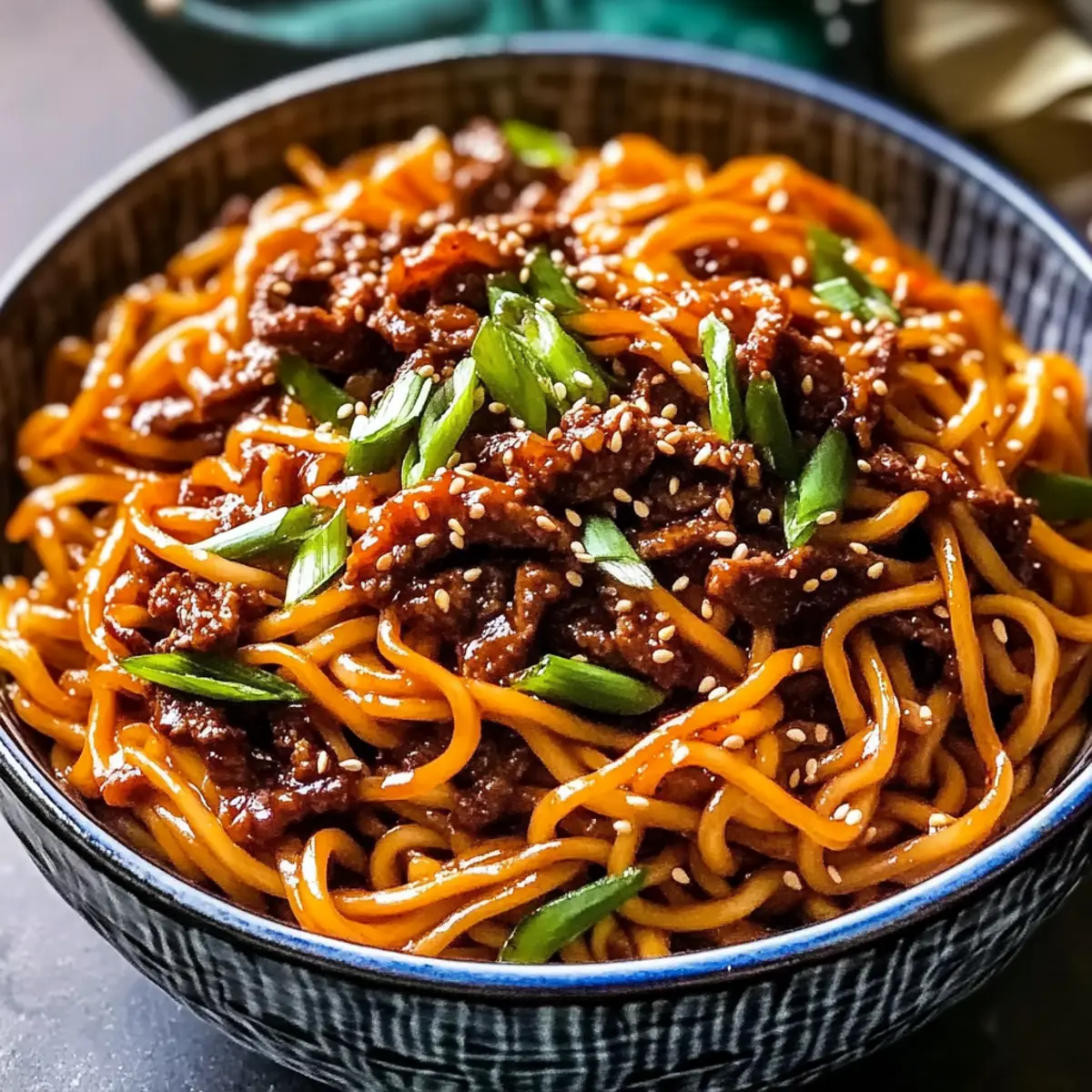
Why choose Korean Beef Sesame Noodles?
Quick and easy: This recipe comes together in just 30 minutes, making it perfect for busy weeknights.
Adaptable ingredients: Use whatever noodles you have on hand, whether it’s ramen or gluten-free options, to suit your family’s needs.
Flavor-packed experience: The balancing act of sweet, salty, and spicy flavors will leave your taste buds dancing with joy.
Impressive presentation: Garnished with toasted sesame seeds and green onions, these noodles look as good as they taste, making them perfect for entertaining.
Meal prep friendly: Store leftovers in the fridge for up to 4 days, or freeze for a quick meal later. Enjoy alongside a refreshing cucumber salad or steamed broccoli for a complete dinner! If you love quick meals, check out my Korean Ground Beef or Slow Cooker Beef recipes for more delicious inspiration.
Korean Beef Sesame Noodles Ingredients
For the Noodles
• Noodles – the base of the dish providing structure and comfort; swap for spaghetti, ramen, udon, or rice noodles based on your preference.
For the Sauce
• Sesame Oil – adds nuttiness and depth of flavor; can be used instead of vegetable oil for a more robust taste.
• Ground Beef – the main protein source that offers richness and heartiness; substitute with ground turkey or chicken for a lighter version.
• Fresh Ginger – contributes warmth and spice; ground ginger can be used in a pinch.
• Garlic – provides aromatic flavor; fresh is recommended, but garlic powder can be used as a substitute.
• Soy Sauce – offers savory umami; low-sodium is recommended, or use tamari for a gluten-free option.
• Brown Sugar/Honey – adds sweetness to balance flavors; coconut sugar is a great alternative or omit for less sweetness.
• Rice Vinegar – provides acidity and lightness; can use apple cider vinegar as an alternative.
• Gochujang – delivers heat and complexity; replace with red pepper flakes or sriracha if you’re in a pinch.
• Cornstarch – used for thickening the sauce; optional if you prefer a thinner consistency.
For the Garnish
• Toasted Sesame Seeds – for garnish and a crunchy texture.
• Green Onions – for freshness with a mild onion flavor; can substitute with chives.
Get ready to whip up this delightful dish that’s not only delicious but also versatile! These Korean Beef Sesame Noodles are sure to become a favorite in your kitchen.
Step‑by‑Step Instructions for Korean Beef Sesame Noodles
Step 1: Cook the Noodles
Begin by bringing a large pot of salted water to a rolling boil over high heat. Once boiling, add your choice of noodles and cook according to the package instructions—usually about 8–10 minutes. As they cook, stir occasionally to prevent sticking. When the noodles are tender, drain them in a colander and immediately toss with a drizzle of sesame oil to keep them from clumping.
Step 2: Sauté the Ground Beef
In a large skillet, heat 2 tablespoons of sesame oil over medium-high heat until shimmering. Add the ground beef to the hot skillet, breaking it apart with a spatula. Cook for 6–8 minutes, stirring frequently, until the beef is well-browned and crispy on the edges. As it cooks, ensure to let it crisp up for a delightful texture in your Korean Beef Sesame Noodles.
Step 3: Add Aromatics
Once the ground beef is perfectly browned, stir in the minced garlic and grated fresh ginger, cooking for about 1 minute until fragrant. You should smell the delicious aroma filling your kitchen, which indicates that the aromatics are ready. This step is crucial for infusing the beef with warm and spicy flavors characteristic of Korean cooking.
Step 4: Create the Sauce
Now it’s time to bring the flavor party together! Pour in the soy sauce, brown sugar, and rice vinegar, adding the gochujang for that perfect kick. Stir everything to coat the beef thoroughly and allow it to simmer for about 2–3 minutes. The sauce will bubble and thicken slightly, enveloping the beef in a savory and sweet embrace that enhances your Korean Beef Sesame Noodles.
Step 5: Thicken the Sauce
For those who prefer a thicker sauce, mix 1 tablespoon of cornstarch with 2 tablespoons of water in a small bowl. Add this mixture to the skillet with the sauce and beef, stirring well. Allow it to simmer for an additional 1–2 minutes until the sauce becomes glossy and clings beautifully to the beef, making it irresistible.
Step 6: Combine Noodles and Beef
Carefully add the prepared noodles to the skillet, tossing them with the beef and sauce mixture. Use tongs to gently combine everything, ensuring the noodles are evenly coated. Cook for an additional 2 minutes on low heat, allowing the flavors to meld together and the noodles to soak in all that deliciousness of the Korean Beef Sesame Noodles.
Step 7: Garnish and Serve
Finally, remove the skillet from the heat and plate your Korean Beef Sesame Noodles. Garnish generously with toasted sesame seeds and sliced green onions for a pop of color and crunch. This simple yet elegant presentation will surely impress your family and friends, showcasing the dish’s comforting yet exciting flavors.
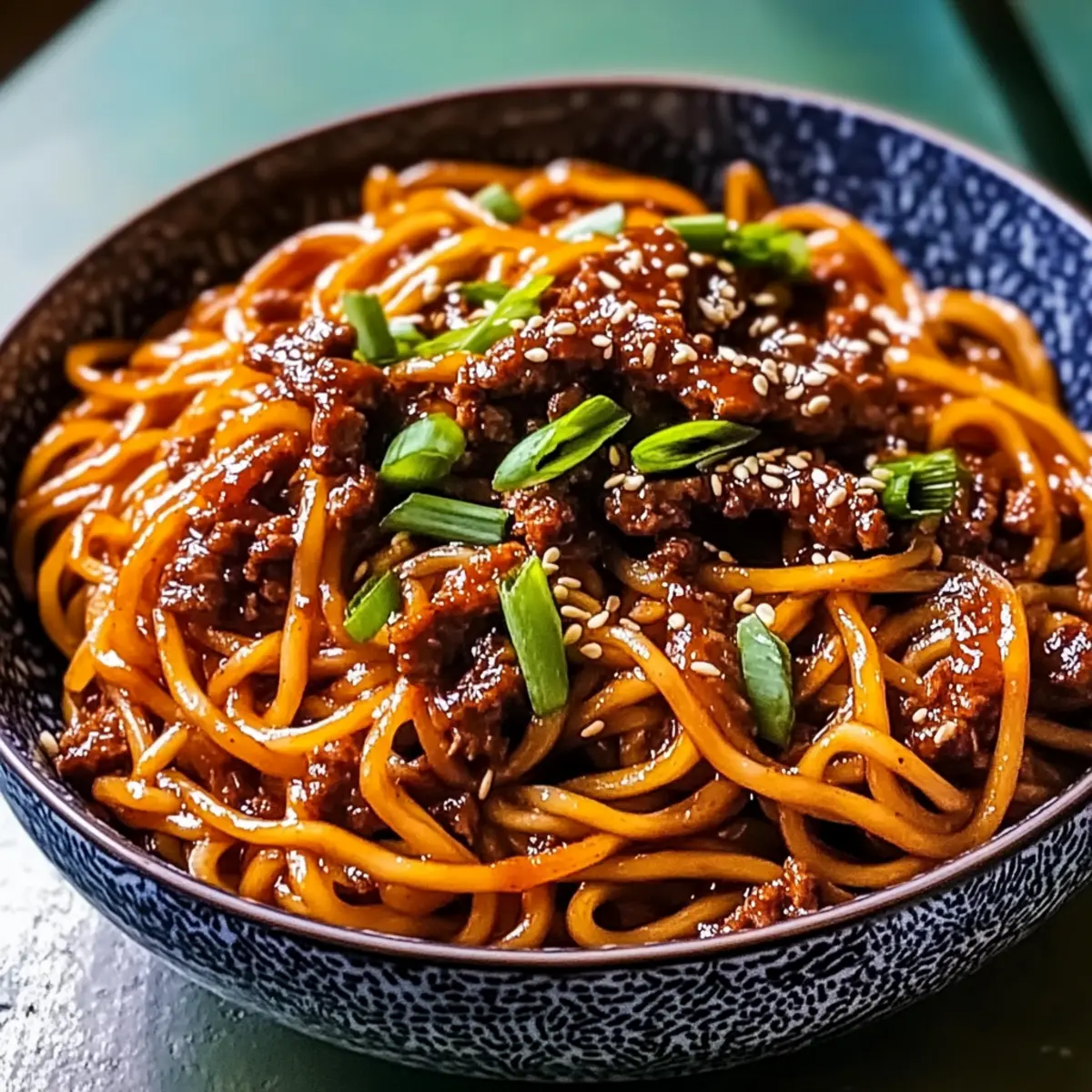
Korean Beef Sesame Noodles Variations
Feel free to let your creativity shine and transform these noodles into a personalized masterpiece that excites your palate!
-
Veggie Boost: Add diced bell peppers or snap peas for a pop of color and extra nutrition. The crunch of fresh veggies complements the rich flavors beautifully.
-
Gluten-Free Noodles: Swap traditional noodles for rice noodles or zucchini noodles to cater to gluten-free diets. This twist brings a light and fresh aspect to your dish.
-
Protein Alternatives: Replace ground beef with ground turkey or chicken for a leaner version. This adjustment keeps it delicious yet lighter, perfect if you’re watching your meals.
-
Full of Flavor: Try incorporating shiitake mushrooms or grated carrots for an umami punch. These additions will create layers of flavor and texture to your delightful Korean Beef Sesame Noodles.
-
Heat It Up: Dial up the heat by adding more gochujang, or mix in some fresh jalapeños. You can play with the spice level to match your family’s preferences.
-
Extra Garnishes: Experiment with garnishes like shredded carrots, sliced cucumbers, or fiery kimchi for added crunch and zing. These vibrant toppings make your dish visually appealing and delicious.
-
Nutty Twist: Sprinkle in some crushed peanuts or cashews for an added nutty flavor and crunch. They can make your dish feel gourmet while enhancing texture.
And if you’re looking for more delicious options, be sure to explore my recipes for Sticky Beef Noodles or Beef Bulgogi Korean—both are sure to please any crowd!
Make Ahead Options
These Korean Beef Sesame Noodles are perfect for meal prep, allowing you to enjoy a delicious homemade meal on busy nights! You can prepare the ground beef mixture (steps 2-5) up to 3 days in advance; simply allow it to cool and store it in an airtight container in the refrigerator. Cooked noodles can be refrigerated for up to 24 hours as well—just toss them with a bit of sesame oil to prevent sticking. When you’re ready to serve, simply reheat the beef mixture in a skillet, add the noodles, and toss everything together for restaurant-quality results with minimal effort. This makes it easy to savor a flavor-packed dinner after a long day!
How to Store and Freeze Korean Beef Sesame Noodles
Fridge: Store leftover Korean Beef Sesame Noodles in an airtight container for up to 4 days to keep them fresh and flavorful.
Freezer: You can freeze the noodles for up to 1 month. Note that the texture may soften upon thawing, but they’ll still taste amazing!
Reheating: When ready to enjoy, reheat in the microwave with a splash of water or broth, stirring every minute until heated through. Alternatively, warm gently on the stovetop for the best results.
Airtight Tips: Ensure your container is airtight to prevent any moisture loss and maintain the delicious flavor of your dish.
Expert Tips for Korean Beef Sesame Noodles
-
Crisp the Beef: Ensure you allow the ground beef to brown well for added flavor and a delightful texture contrast in your Korean Beef Sesame Noodles.
-
Perfect Noodle Cook: Cook noodles slightly undercooked to absorb the sauce without turning mushy; they will finish cooking when tossed with the beef.
-
Adjust the Heat: Customize the spice level by adjusting the amount of gochujang. Start with a small amount and increase it according to your preference.
-
Storage Savvy: For best leftovers, store in an airtight container to maintain freshness. Reheat gently, adding a splash of water or broth if needed to restore moisture.
-
Flavor Boosting Adds: Don’t hesitate to throw in extra veggies like bell peppers or snap peas for added nutrition and color; they complement the noodles beautifully.
What to Serve with Korean Beef Sesame Noodles
Nothing complements the enticing flavors of these noodles like vibrant, fresh sides and cozy additions to round out your meal.
-
Cucumber Salad: Crisp and refreshing, this salad balances the rich flavors of the noodles with a light crunch and tangy dressing.
-
Steamed Broccoli: Tender, bright green broccoli adds a nutritious element to your plate and enhances the dish’s color and texture. It’s a perfect, healthy side that complements the noodles’ savory depth.
-
Kimchi: This traditional Korean side dish offers a spicy, fermented crunch that elevates the flavor profile, making every bite of your meal something special.
-
Spring Rolls: These light appetizers filled with veggies or shrimp create an enjoyable contrast in texture and are great for dipping in a sweet or spicy sauce.
-
Miso Soup: A warm bowl of miso soup is a soothing addition, grounding the meal and offering a comforting umami flavor that ties beautifully into the Asian-inspired theme.
-
Dumplings: Whether steamed or pan-fried, these bite-sized treats filled with savory meat or veggies add a fun, shareable element to your dinner table.
-
Chilled Soba Noodles: These light, cold noodles provide a delightful textural difference while echoing the flavors of sesame, making them a fitting complement to your main dish.
-
Green Tea: For a drink that’s both soothing and palate-cleansing, chilled green tea enhances the meal while providing a light, refreshing finish.
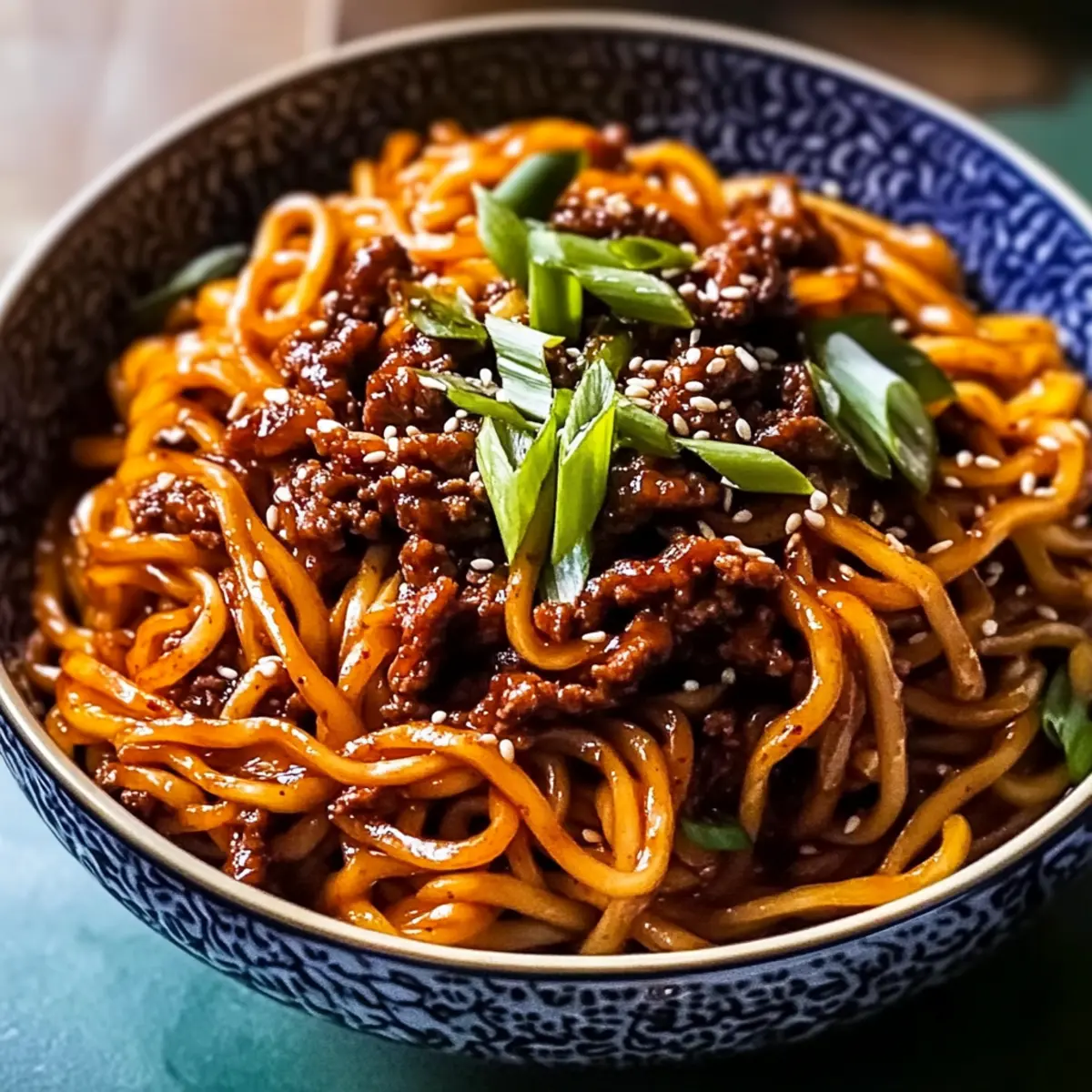
Korean Beef Sesame Noodles Recipe FAQs
What type of noodles can I use for Korean Beef Sesame Noodles?
Absolutely! You can use any type of noodle you prefer—spaghetti, ramen, udon, or rice noodles all work beautifully. If you have gluten-free dietary needs, I recommend opting for rice noodles to enjoy the dish without any concerns.
How should I store leftover Korean Beef Sesame Noodles?
Store your leftover noodles in an airtight container in the refrigerator for up to 4 days. This will help maintain their wonderful flavors and texture. When you’re ready to dig in again, simply reheat gently on the stovetop or microwave.
Can I freeze Korean Beef Sesame Noodles?
Yes! You can freeze Korean Beef Sesame Noodles for up to 1 month. Just remember that the noodles may soften a bit when thawed, so don’t be surprised if the texture changes slightly. To freeze, let the noodles cool completely, then transfer them to a freezer-safe container or bag.
What can I do if my sauce is too thin?
If you find your sauce isn’t thickening as you’d like, don’t worry! Simply mix 1 tablespoon of cornstarch with 2 tablespoons of cold water, creating a slurry. Stir this mixture into the simmering sauce, allowing it to cook for another minute or two until it thickens beautifully, coating the noodles perfectly.
Can I make this dish gluten-free?
Very! To make a gluten-free version of Korean Beef Sesame Noodles, use tamari instead of soy sauce and opt for gluten-free noodles like rice noodles. You’ll still enjoy that delightful umami flavor without any gluten in sight, making it suitable for those with dietary restrictions.
Is it safe to give leftovers to pets?
I recommend being cautious with leftovers around pets. While plain noodles are generally safe, the sauce contains ingredients like garlic and soy sauce that can be harmful in large quantities to dogs and cats. It’s best to stick to pet-safe treats or meals for your furry friends!
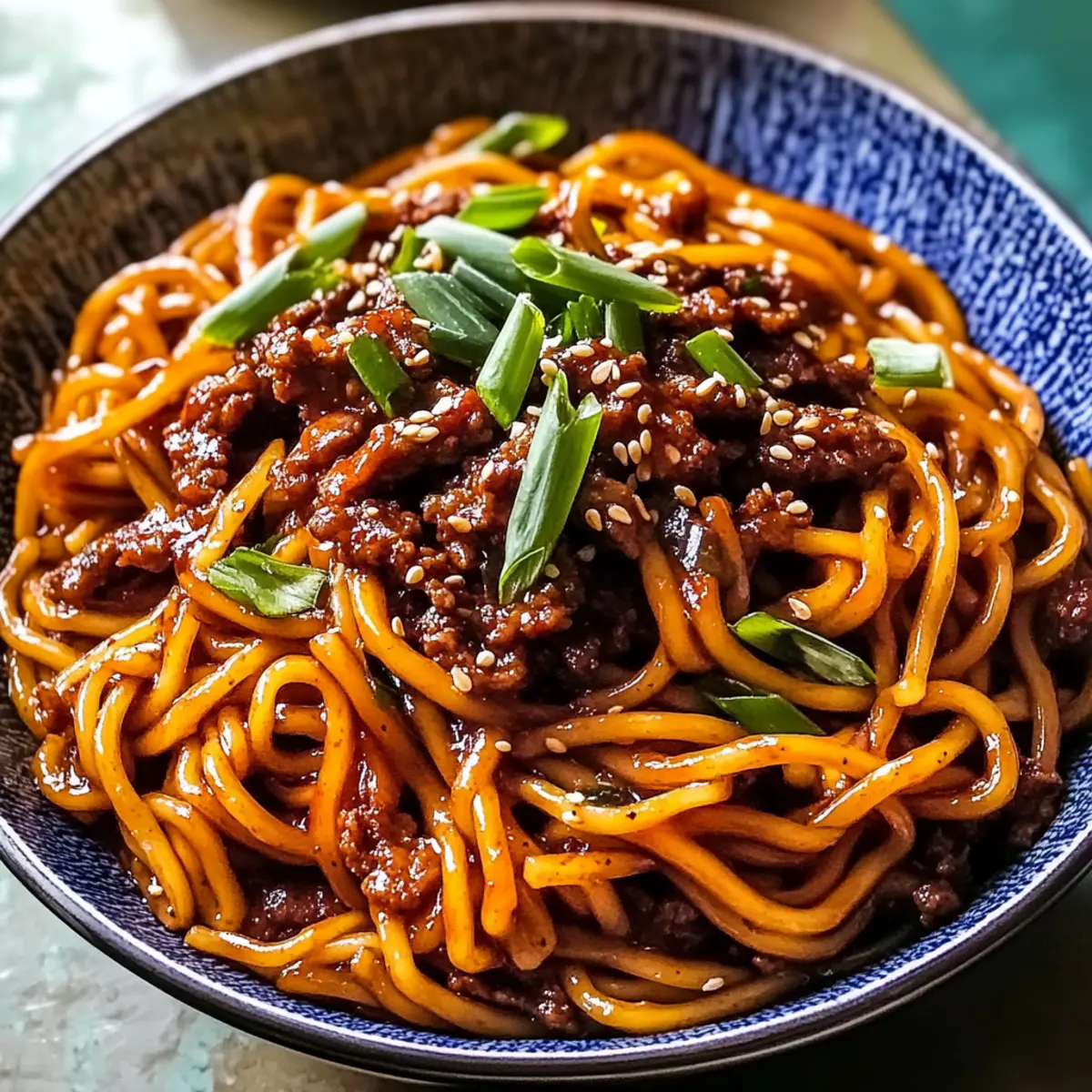
Savory Korean Beef Sesame Noodles Ready in 30 Minutes
Ingredients
Equipment
Method
- Cook the noodles in salted boiling water according to package instructions, about 8–10 minutes. Drain and toss with sesame oil.
- In a skillet, heat sesame oil and sauté the ground beef until browned and crispy, about 6–8 minutes.
- Add garlic and ginger, cooking for 1 minute until fragrant.
- Pour in soy sauce, brown sugar, rice vinegar, and gochujang. Stir and simmer for 2–3 minutes.
- If desired, mix cornstarch with water and add to the skillet to thicken the sauce.
- Add the cooked noodles to the skillet with the beef and sauce, tossing to combine. Cook for an additional 2 minutes.
- Garnish with sesame seeds and green onions before serving.