

The moment I first tasted Biscoff cookie butter, it felt like a revelation, a delicious secret whispered from the kitchen. Now, I want to share a recipe that elevates that experience—a creamy Biscoff Cheesecake that’s as delightful as it is indulgent. With a blissfully smooth texture and a crumbly crust made from Biscoff cookies, this cheesecake is more than just a dessert; it’s a celebration of flavor that will have your guests raving. Quick to prepare and guaranteed to impress, it’s the kind of treat that transforms any occasion into a special event. Plus, the rich cookie butter topping adds a final touch that’s both decadent and irresistible. Are you ready to dive into this sweet adventure? Let’s get baking!
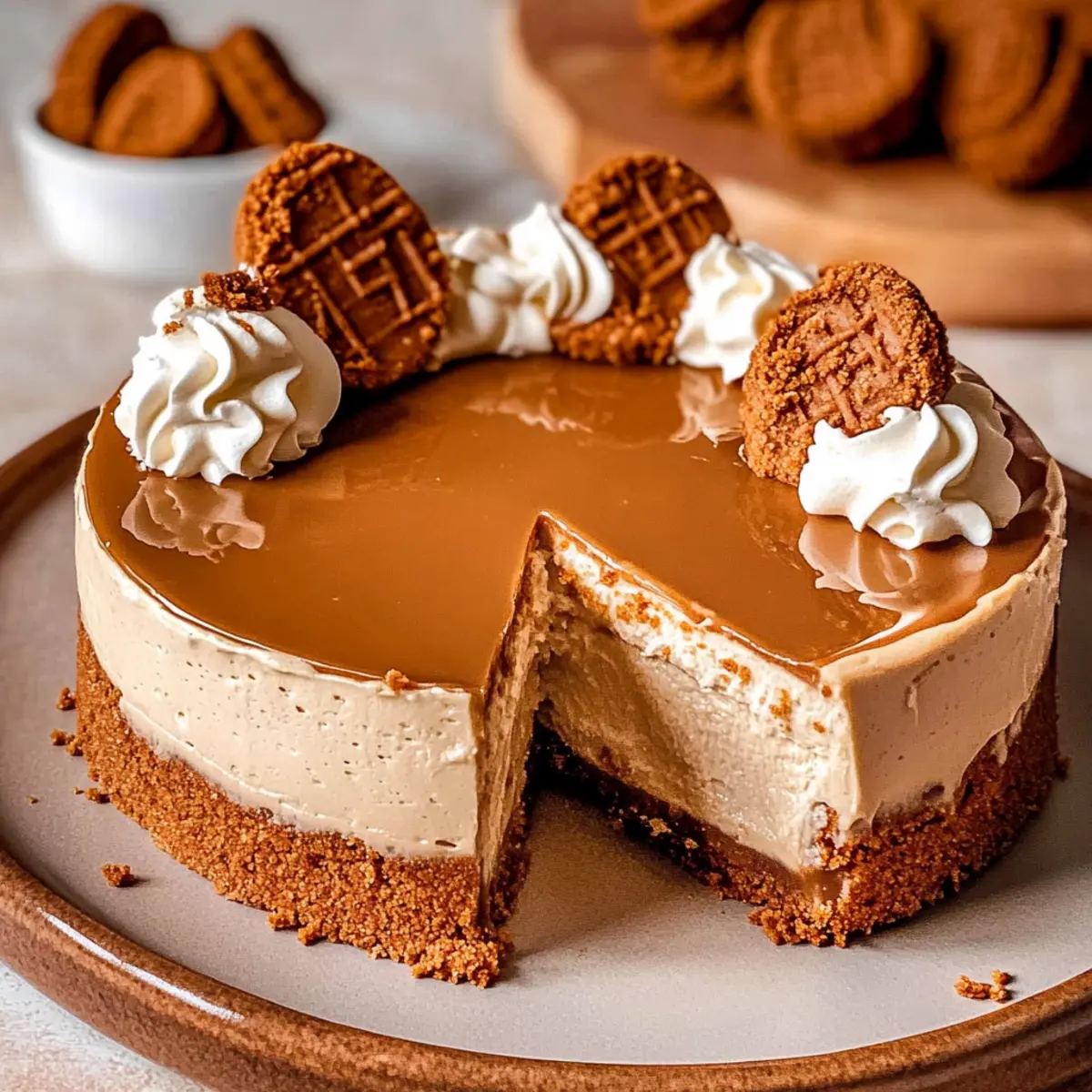
Why Is This Biscoff Cheesecake Unforgettable?
Irresistible Creaminess: Each slice is a velvety dream, with cream cheese and cookie butter coming together for a decadent flavor explosion.
Simple Preparation: This cheesecake is surprisingly straightforward! With just a few steps, you can create an impressive dessert that even beginners can master.
Crowd-Pleasing Delight: Friends and family will be in awe of this creamy masterpiece—perfect for gatherings or special occasions where you want to wow your guests!
Unique Flavor: The distinctive taste of Biscoff cookie butter sets this cheesecake apart, making it a unique treat that you won’t find anywhere else.
Make-Ahead Wonder: Prepare it the day before your event and let it chill overnight, saving you time and stress on the big day!
Pair it with a cup of coffee, or try it alongside some Cheesecake Stuffed Strawberries for a delightful dessert spread!
Biscoff Cheesecake Ingredients
For the Crust
- Biscoff cookies – A flavorful base that gives the crust its distinctive, spiced sweetness. Speculoos cookies can be used as a substitute.
- Unsalted butter (10 tbsp) – Binds the crust together and adds richness; coconut oil can be used for a dairy-free option.
- Granulated white sugar (2 tbsp) – Adds sweetness and balances the crust flavors; no substitutions recommended.
For the Filling
- Cream cheese (32 oz) – The main component that provides a creamy texture; ensure it’s at room temperature for smooth blending.
- Corn starch (2 tbsp) – Stabilizes the cheesecake and prevents cracking; no substitutes recommended.
- Granulated white sugar (3/4 cup) – Sweetens the filling; consider reducing the amount if desired.
- Biscoff cookie butter (1 cup) – The star ingredient that enriches the cheesecake with a deep, creamy flavor; no substitutions recommended.
- Sour cream (1/3 cup) – Adds tanginess and creaminess; Greek yogurt can function as a substitute.
- Vanilla extract (1 tbsp) – Enhances the overall flavor; opt for pure vanilla extract for the best result.
- Eggs and egg yolks (3 + 3) – Provide essential structure and richness; make sure they’re at room temperature for even mixing.
For the Topping
- Melted Biscoff cookie butter – A delicious layer to finish off the cheesecake, adding extra flavor and visual appeal; chill before serving.
Step‑by‑Step Instructions for Biscoff Cheesecake
Step 1: Prepare the Crust
Preheat your oven to 350°F (175°C). In a food processor, pulse the Biscoff cookies into fine crumbs, then combine them with melted butter and sugar until well mixed. Press this crumb mixture firmly into the bottom of a 9-inch springform pan to form an even crust. Bake the crust for 10 minutes, then take it out and allow it to cool while you prepare the filling.
Step 2: Make the Cheesecake Filling
In a large stand mixer, beat the room temperature cream cheese until creamy and smooth. Gradually add in the corn starch and granulated sugar, mixing until fully combined. Next, blend in the Biscoff cookie butter, vanilla extract, and sour cream until the mixture is well incorporated, creating a rich and velvety filling that will be the star of your Biscoff cheesecake.
Step 3: Incorporate Eggs
With the mixer on low speed, add the eggs and egg yolks one at a time, making sure to mix gently until each addition is fully incorporated. This is crucial for maintaining the cheesecake’s light and fluffy texture, so avoid overmixing. Once all the eggs are added, your Biscoff cheesecake filling should be smooth and creamy, ready for baking.
Step 4: Bake the Cheesecake
Pour the cheesecake filling over your cooled crust, smoothing the top with a spatula. Place the springform pan inside a roasting pan filled with hot water for a water bath, which helps prevent cracking. Bake in the preheated oven for 1 hour, then turn off the oven and let it cool inside with the door ajar for an additional hour, allowing it to set perfectly.
Step 5: Chill the Cheesecake
After cooling at room temperature, let the Biscoff cheesecake chill completely in the refrigerator. It’s best to refrigerate it for at least 8 hours, or overnight if possible, to achieve that perfect balance of creamy texture and flavor. This long chilling time helps the cheesecake firm up beautifully.
Step 6: Add the Topping
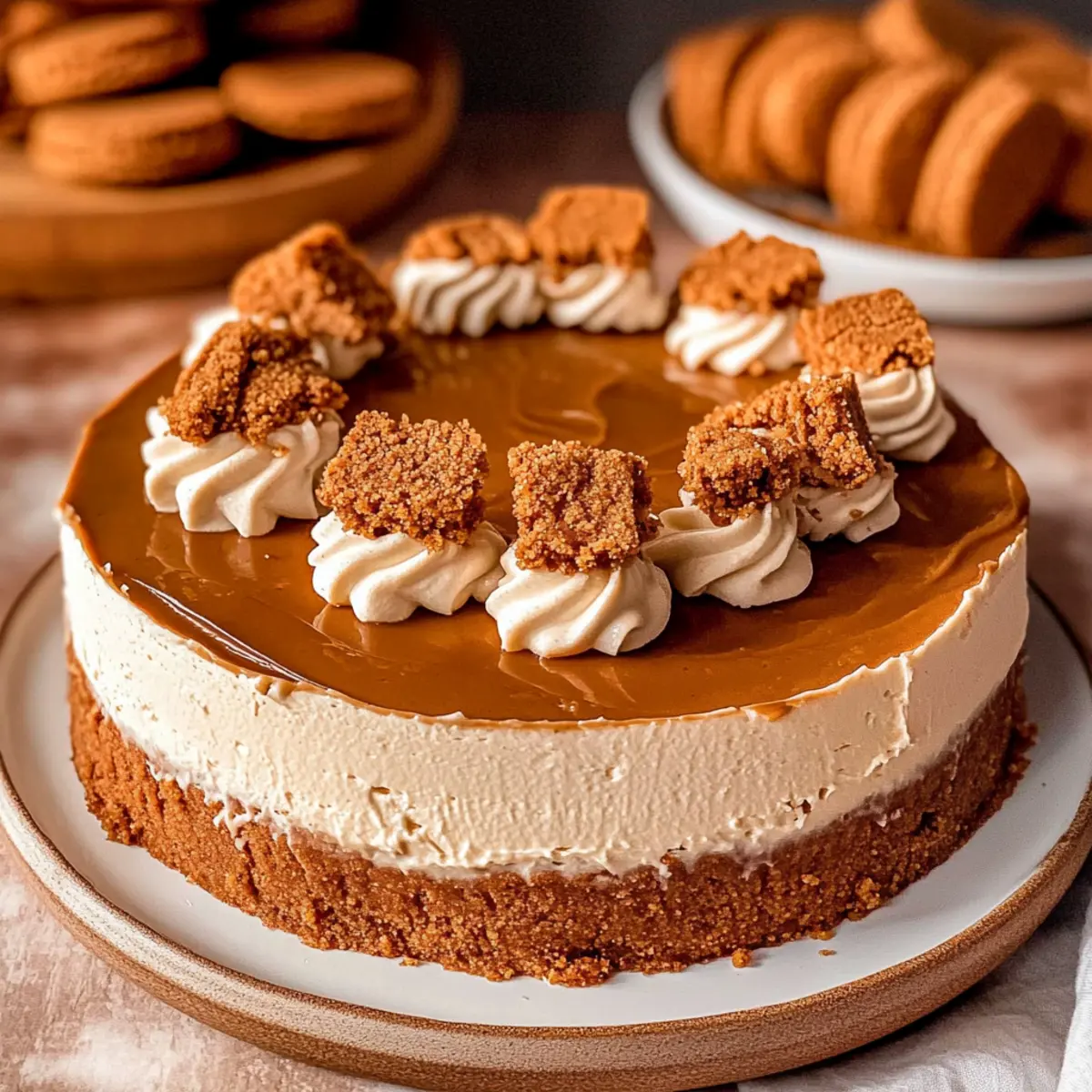
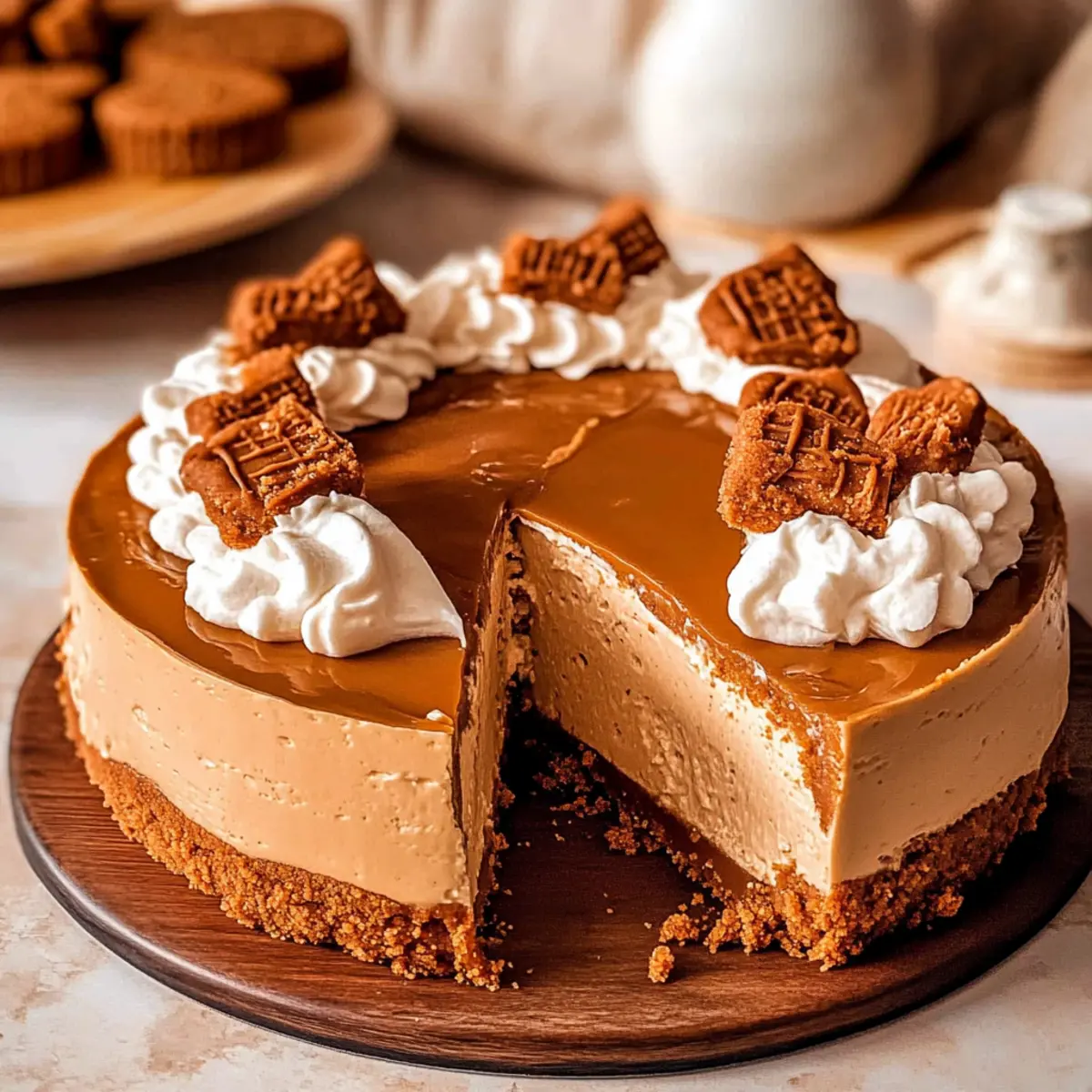
Once chilled, gently pour the melted Biscoff cookie butter over the top of the cheesecake. Use a spatula to spread it evenly, creating a luscious layer on top. Chill the cheesecake again for 20 minutes to allow the topping to set before slicing. For an extra touch, feel free to decorate with whipped cream and crushed Biscoff cookies before serving.
Expert Tips for Biscoff Cheesecake
-
Room Temperature Ingredients: Always use room temperature cream cheese and eggs to ensure a smooth and creamy Biscoff cheesecake filling without lumps.
-
Water Bath Method: Utilize a water bath while baking to maintain moisture, preventing cracks on the surface of your cheesecake for a beautiful finish.
-
Gentle Mixing: Incorporate the eggs one at a time, mixing gently to avoid overmixing. This helps keep your cheesecake light and fluffy, ensuring that scrumptious texture.
-
Chill Overnight: For the best flavor and texture, chill your cheesecake overnight. This allows all the components to meld beautifully and sets the cheesecake to perfection.
-
Serve with Style: Consider topping your cheesecake with whipped cream and crushed Biscoff cookies. It not only enhances the presentation but adds delightful crunch to each slice!
Biscoff Cheesecake Variations & Substitutions
Feel free to explore these variations that will add a personal twist to your creamy Biscoff cheesecake!
- Dairy-Free: Substitute cream cheese with a vegan cream cheese alternative and use coconut oil in the crust to keep it rich and delicious.
- Chocolate Twist: Add a melted chocolate swirl to the filling or mix in chocolate cookie crumbs for a mocha-like flavor that elevates this dessert.
- Fruit Fusion: Top your cheesecake with berry compote or fresh fruit for a bright, fruity contrast that beautifully balances the rich flavors.
- Nutty Crunch: Sprinkle crushed nuts like pecans or almonds on top of the Biscoff layer for an added crunch and delightful nuttiness.
- Spiced Delight: Enhance the flavors by adding a dash of cinnamon or nutmeg to the filling, creating a warm, cozy aroma that invites everyone to the table.
- Lower Sugar Option: Decrease the sugar in the filling to your liking or substitute with a natural sweetener like honey or maple syrup for a lighter version.
- Gourmet Garnish: Serve with a drizzle of caramel sauce for an indulgent touch that pairs perfectly with the cookie butter topping.
- Decadent Layer: Blend in or top with a layer of Biscoff Cake Gooey for an even more luxurious dessert experience that’s truly memorable.
Remember, the joy of baking is in the customization, so don’t hesitate to mix it up!
What to Serve with Biscoff Cheesecake
Indulging in a slice of Biscoff cheesecake is a heavenly affair, and pairing it with the right accompaniments can elevate your dessert experience to new heights.
-
Fresh Berries: Juicy strawberries or raspberries add a refreshing tang that beautifully balances the creamy richness of the cheesecake. Their vibrant colors also bring a lovely touch to the plate.
-
Whipped Cream: A dollop of freshly whipped cream enhances the cheesecake’s velvety texture, making each bite even more indulgent. Sprinkle some crushed Biscoff cookies on top for a delightful crunch.
-
Espresso or Coffee: The bold richness of espresso complements the flavors of the Biscoff cheesecake perfectly. It’s a warm and comforting way to end your meal.
-
Chocolate Sauce: Drizzling warm chocolate sauce over your cheesecake adds another layer of indulgence. The sweet bitterness of dark chocolate pairs wonderfully with the sweet spices of the Biscoff base.
-
Vanilla Ice Cream: Serve with a scoop of creamy vanilla ice cream to introduce a cool contrast, which complements the cheesecake’s smooth texture while enhancing the dessert’s overall flavor.
-
Caramel Sauce: A sweet drizzle of caramel sauce can add a rich, buttery flavor that harmonizes beautifully with the cookie butter topping, making every bite a decadent treat.
These simple additions not only allow the Biscoff cheesecake to shine but also create a memorable dining experience for all your guests!
Make Ahead Options
These Creamy Biscoff Cheesecake delights are perfect for meal prep enthusiasts! You can prepare the cheesecake filling and crust up to 24 hours in advance, allowing the flavors to deepen overnight. Simply make the crust by pressing the cookie crumbs into your springform pan and bake for 10 minutes, then cool. For the filling, blend all ingredients, pour over the cooled crust, and then refrigerate. When you’re ready to serve, finish by adding the melted Biscoff cookie butter on top and chilling for an additional 20 minutes. This prep method not only saves you time but ensures your cheesecake is just as delicious, keeping it fresh and delightful when guests arrive!
How to Store and Freeze Biscoff Cheesecake
Fridge: Place leftovers in an airtight container and refrigerate for up to 5 days to maintain its creamy texture and flavor.
Freezer: For longer storage, freeze the cheesecake before adding the topping for up to 3 months. Wrap it tightly in plastic wrap and then in aluminum foil.
Thawing: When ready to enjoy, transfer the frozen cheesecake to the fridge for 24 hours to thaw slowly. This helps preserve its texture.
Reheating: For the best experience, serve chilled. You can add the topping or garnish immediately before serving for an extra special touch.
Biscoff Cheesecake Recipe FAQs
What type of Biscoff cookies should I use?
You should use regular Biscoff cookies for the base of the crust, as they provide a flavorful, slightly spiced sweetness that’s essential for this recipe. If you can’t find Biscoff cookies, Speculoos cookies can be a good substitute since they have a similar flavor profile.
How long can I store leftover Biscoff cheesecake in the fridge?
Absolutely! Leftovers can be stored in an airtight container in the refrigerator for up to 5 days. This way, you can savor the creamy goodness even after the main event!
Can I freeze Biscoff cheesecake, and if so, how?
Yes, you can freeze the cheesecake! Before adding the topping, wrap it tightly in plastic wrap and then aluminum foil to prevent freezer burn. It can be stored in the freezer for up to 3 months. When you’re ready to serve it, simply transfer it to the fridge for 24 hours to thaw slowly and maintain its creamy texture.
What should I do if my cheesecake cracks during baking?
If your cheesecake cracks, don’t worry—it happens to the best of us! Ensure you’re using a water bath while baking, as it helps maintain moisture and can minimize cracking. Additionally, avoid overmixing the batter after adding the eggs; mix gently until just combined. If a crack does occur, you can top it with the melted Biscoff cookie butter, which will hide any imperfections beautifully!
Is Biscoff cheesecake safe for people with allergies?
While Biscoff cheesecake is a delightful treat, it contains common allergens such as dairy and eggs, making it unsuitable for those with lactose intolerance or egg allergies. Always check the ingredient labels for your specific cookie brands and consider alternatives if necessary. If making for a gathering, it’s best to inform guests about the ingredients used.
How can I ensure my Biscoff cheesecake has a smooth texture?
To achieve that velvety smoothness, make sure all your ingredients, especially the cream cheese and eggs, are at room temperature. This allows for easier blending and a lump-free filling. Use a stand mixer for best results and mix until just combined after adding the eggs—overmixing can lead to a dense cheesecake!
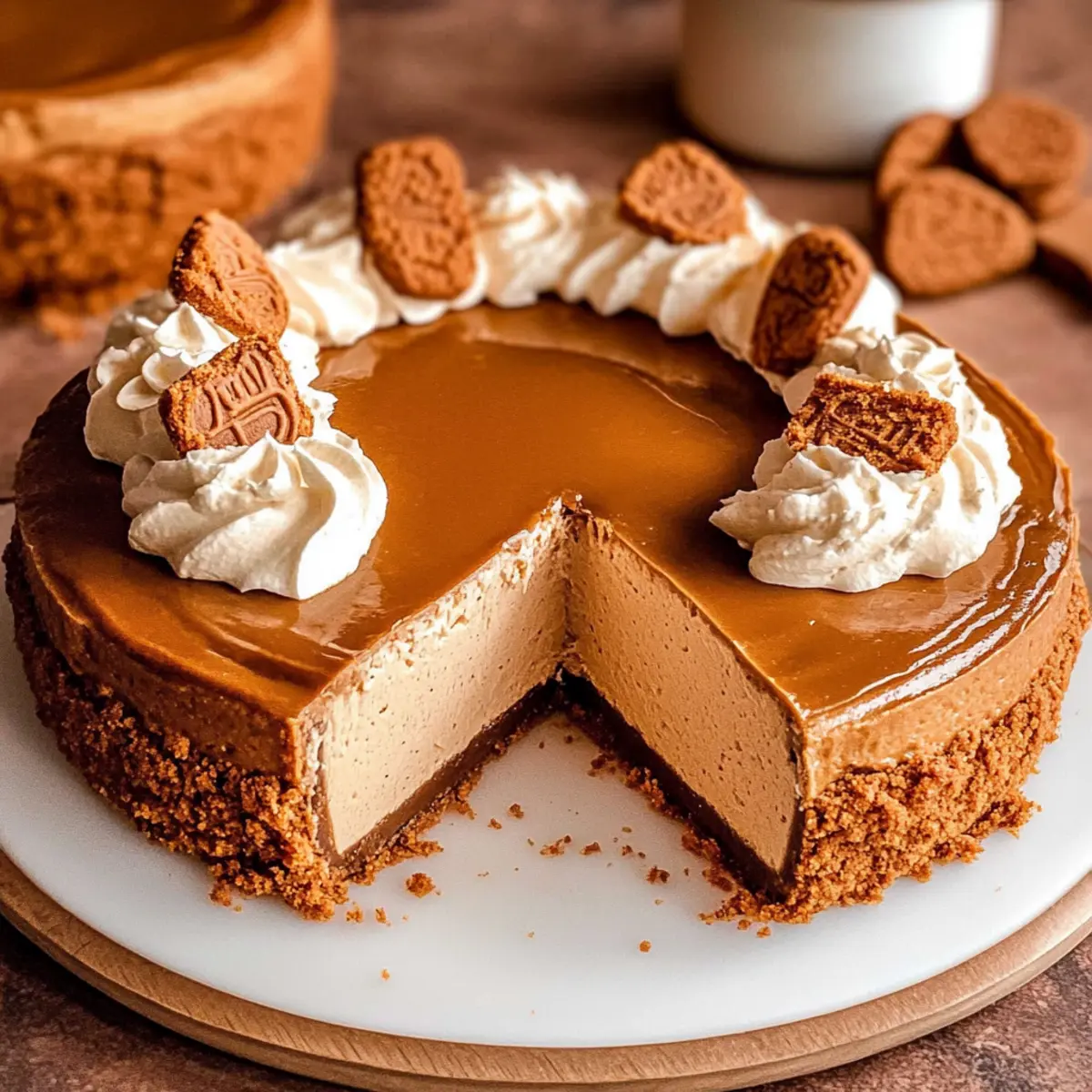
Heavenly Biscoff Cheesecake That Will Wow Your Guests
Ingredients
Equipment
Method
- Preheat your oven to 350°F (175°C). In a food processor, pulse the Biscoff cookies into fine crumbs, then combine them with melted butter and sugar until well mixed. Press this crumb mixture firmly into the bottom of a 9-inch springform pan to form an even crust. Bake the crust for 10 minutes, then take it out and allow it to cool while you prepare the filling.
- In a large stand mixer, beat the room temperature cream cheese until creamy and smooth. Gradually add in the corn starch and granulated sugar, mixing until fully combined. Next, blend in the Biscoff cookie butter, vanilla extract, and sour cream until the mixture is well incorporated, creating a rich and velvety filling.
- With the mixer on low speed, add the eggs and egg yolks one at a time, mixing gently to avoid overmixing. Once all the eggs are added, your Biscoff cheesecake filling should be smooth and creamy.
- Pour the cheesecake filling over your cooled crust, smoothing the top with a spatula. Place the springform pan inside a roasting pan filled with hot water for a water bath, which helps prevent cracking. Bake in the preheated oven for 1 hour. Turn off the oven and let it cool inside with the door ajar for an additional hour.
- After cooling at room temperature, let the cheesecake chill completely in the refrigerator for at least 8 hours, or overnight if possible.
- Once chilled, gently pour the melted Biscoff cookie butter over the top of the cheesecake. Use a spatula to spread it evenly. Chill the cheesecake again for 20 minutes before slicing.