

A delightful crunch often leads to unexpected joy, especially when the dish is as vibrant as these Korean Vegetable Pancakes (Yachaejeon). With their golden edges and an abundance of fresh veggies, they unfold a world of flavor that transports me right to the bustling streets of Seoul. Quick to whip up, these irresistible pancakes serve as a perfect snack, side dish, or a light meal that even the most devoted fast-food fans will crave. Plus, the option to adapt them for gluten-free diets ensures that everyone can savor this colorful treat. So, are you ready to indulge in a fabulous bite of both comfort and culture? Let’s get cooking!
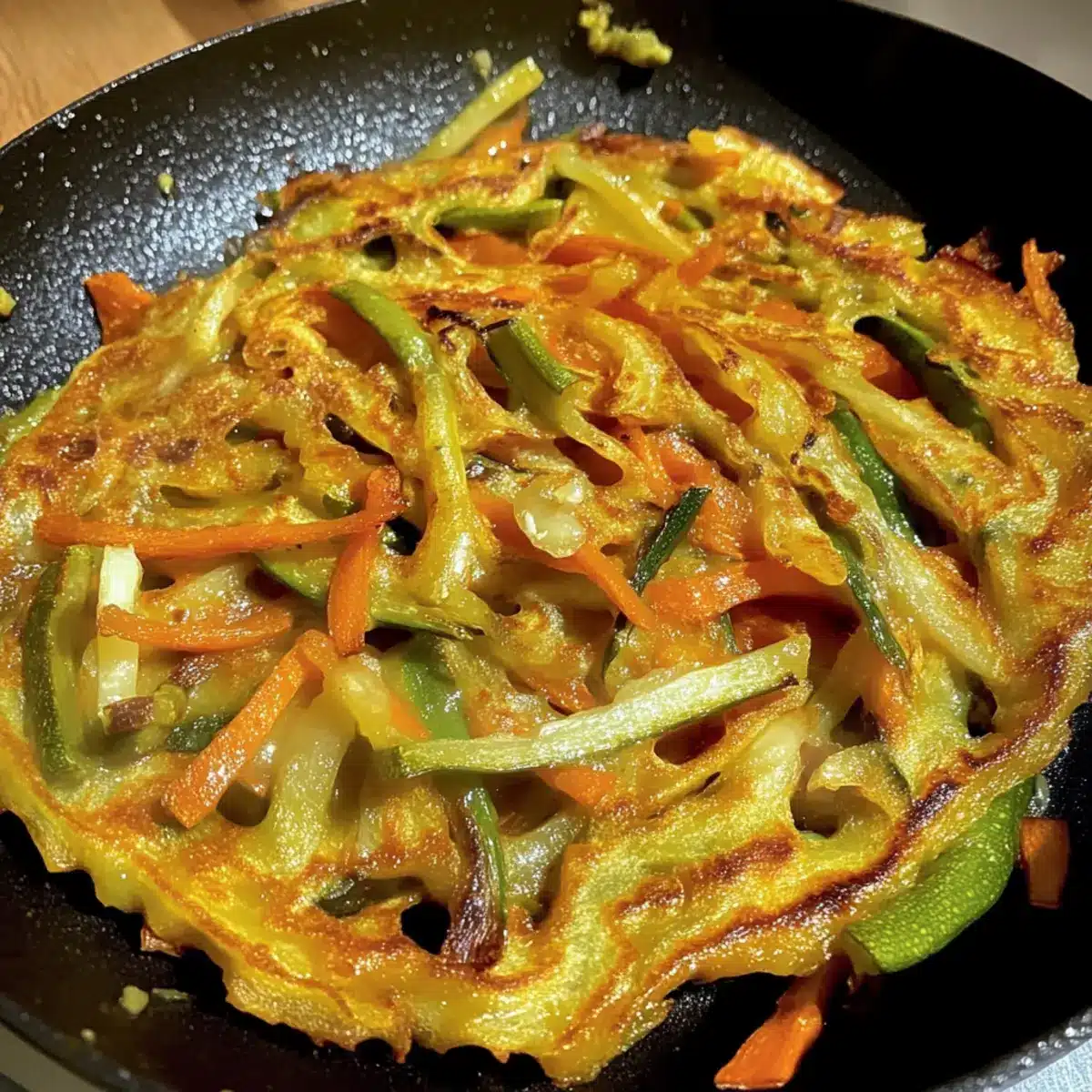
Why Are These Korean Vegetable Pancakes Special?
Crispy Delight: Each pancake features golden edges and a tender center, providing the perfect balance of crunch and softness.
Vibrant Veggies: Packed with fresh vegetables like carrots, cabbage, and onions, they not only taste amazing but are visually stunning too!
Quick & Easy: In just a few simple steps, you can enjoy this delightful dish, making it perfect for busy weeknights or last-minute gatherings.
Versatile Option: Serve them as a snack, side dish, or light main course; they pair beautifully with others like Korean Ground Beef for a complete meal.
Gluten-Free Friendly: Want to enjoy these but need to cater to dietary restrictions? Simply swap regular flour for a gluten-free blend!
Crowd-Pleasing Flavor: With dipping sauce that packs umami and tang, these pancakes will have everyone coming back for more. Don’t forget to check out our incredible variations for even more excitement!
Korean Vegetable Pancakes Ingredients
For the Batter
- Flour – Structure and binding agent; substitute with gluten-free flour blend for a gluten-free option.
- Cornstarch – Adds crispiness to the pancakes.
- Water – Hydrates the batter for the right consistency.
- Turmeric – Enhances color and adds a mild earthy flavor.
- Salt – Essential for flavor enhancement.
- Baking Powder – Provides leavening for a light texture.
For the Vegetables
- Green Onions – Adds freshness and flavor; cut short for even distribution.
- Red Onion – Contributes sweetness and a slight bite; sliced thin for texture.
- Carrot – Provides sweetness and crunch when cut into thin strips.
- Red Pepper – Adds color and sweetness; cut into thin strips.
- Cabbage – Adds bulk and a soft crunch when cooked.
- Hot Pepper – For heat; finely chopped according to spice preference.
For Frying and Dipping Sauce
- Oil for Frying – Necessary for cooking and achieving crispy edges.
- Soy Sauce – Base for the dipping sauce; adds umami flavor.
- Rice Vinegar – Adds acidity to balance the richness.
- Toasted Sesame Seeds – Enhances flavor and texture in the dipping sauce.
- Chili Flakes – To kick up the spice level in the dipping sauce.
- Sesame Oil – Enhances aroma and flavor of the dipping sauce.
Dive into the delightful crafting of these Korean Vegetable Pancakes, and enjoy the vibrant flavors and textures they offer!
Step‑by‑Step Instructions for Korean Vegetable Pancakes
Step 1: Prepare Vegetables
Start by washing and chopping the vegetables. Slice the green onions short, thinly slice the red onion, and cut the carrot and red pepper into thin strips. Finely chop a hot pepper according to your spice preference and slice the cabbage thinly. This vibrant mix will bring flavor and color to your Korean Vegetable Pancakes, ensuring an even distribution of fresh ingredients throughout the batter.
Step 2: Make Batter
In a large mixing bowl, whisk together the flour, cornstarch, turmeric, salt, and baking powder. Gradually add water to the dry ingredients, stirring until you achieve a smooth and lump-free batter. The consistency should be like pancake batter—thick but pourable. This batter will be the foundation for your delicious Korean Vegetable Pancakes, providing structure and crispiness!
Step 3: Mix Vegetables
Gently fold the prepared vegetables into the batter using a spatula until they are evenly coated. Make sure each piece of vegetable is surrounded by the batter, enhancing the flavor and texture of the pancakes. This step is crucial for ensuring that your Korean Vegetable Pancakes are both vibrant and savory, with every bite loaded with delicious fillings.
Step 4: Prepare Dipping Sauce
While the batter is resting, create a tasty dipping sauce. In a small bowl, combine soy sauce, sesame oil, rice vinegar, toasted sesame seeds, and chili flakes. Stir well until the ingredients are mixed thoroughly. This sauce will enhance the flavors of the Korean Vegetable Pancakes, bringing a delightful umami kick to each bite.
Step 5: Heat Pan
Heat a frying pan over medium heat and add a generous amount of oil to coat the bottom. Allow the oil to heat until it shimmers—this indicates that it’s hot enough for frying. The right temperature is key to achieving crispy edges on your Korean Vegetable Pancakes while still cooking the vegetables through.
Step 6: Cook Pancakes
Using a ladle, spoon the batter mixture into the hot pan, spreading it into a thin layer. Cook for about 3-4 minutes until the edges turn golden brown and crisp. Carefully flip the pancake and cook for another 2-3 minutes on the other side. Repeat this process with the remaining batter, adding more oil as necessary to retain that crispy texture.
Step 7: Serve
Once all the Korean Vegetable Pancakes are cooked, remove them from the pan and let them drain on paper towels to absorb any excess oil. Serve the pancakes warm alongside the prepared dipping sauce. The combination of the golden, crispy pancakes with the savory sauce makes for a delightful dish that everyone will love!
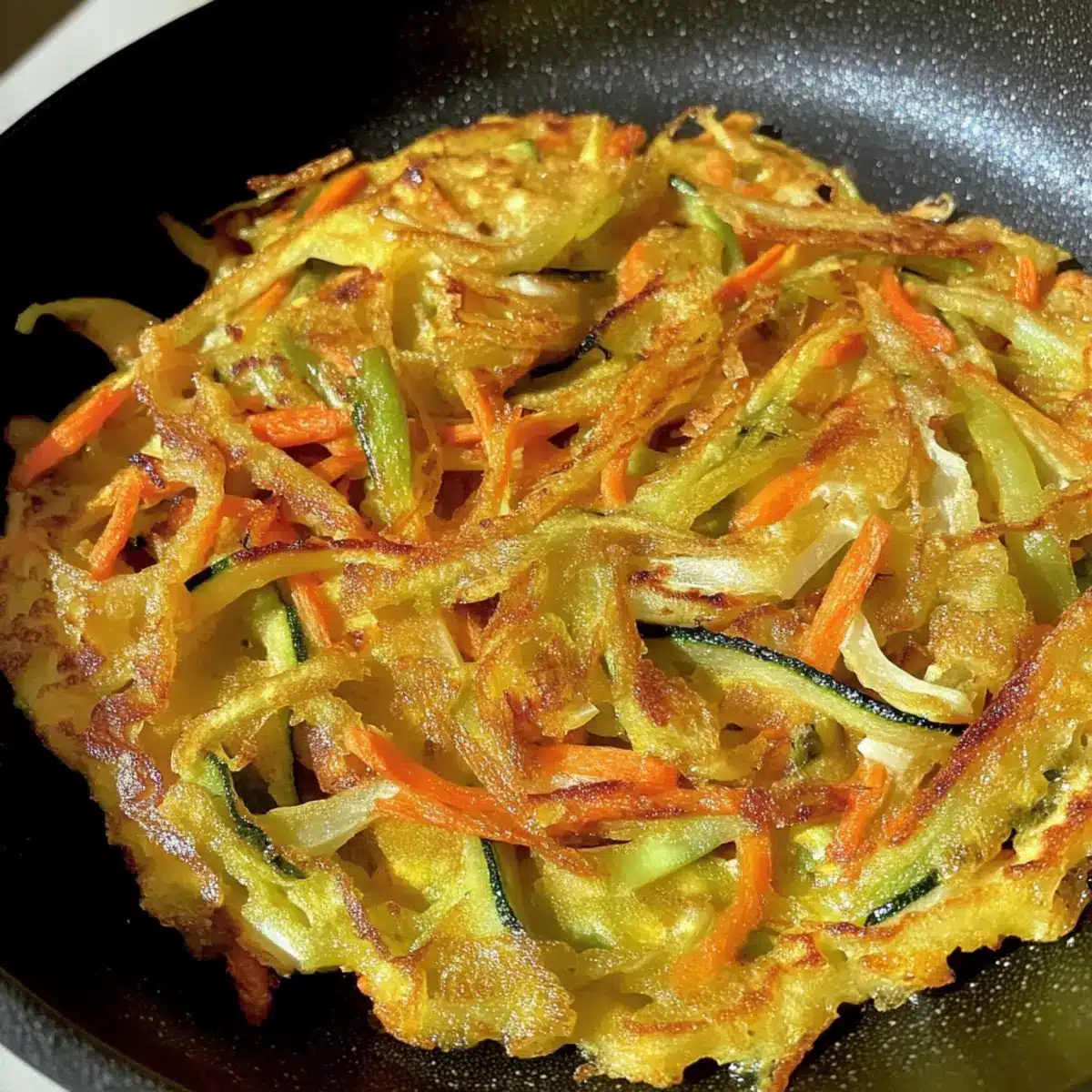
What to Serve with Korean Vegetable Pancakes
Enjoy a vibrant and delightful experience when you pair your crispy pancakes with these wonderful accompaniments.
-
Crispy Salad: A fresh green salad with a tangy vinaigrette brings a delightful crunch and brightens the meal, complementing the savory pancakes beautifully.
-
Steamed Rice: Simple steamed jasmine or brown rice balances the dish, providing a tender base that pairs well with the flavorful pancakes. Together, they create a comforting combination.
-
Spicy Kimchi: The fermented tang of kimchi adds a spicy kick that enhances the richness of the pancakes while introducing probiotic benefits to your meal.
-
Soy Dipping Sauce: Enhance the flavors further with additional soy sauce mixed with fresh lime juice; it brings brightness to each bite, elevating the overall experience of the dish.
-
Light Stir-Fried Greens: A quick stir-fry of bok choy or spinach offers fresh, soft textures while maintaining a light flavor profile, balancing the crispy pancakes perfectly.
-
Chilled Soba Noodles: Serve chilled soba noodles drizzled with sesame oil and scallions for a refreshing, nutty side that contrasts beautifully with the warmth of the pancakes.
-
Fruit Salad: A light, citrusy fruit salad can cleanse the palate and add sweetness, making for an uplifting addition to this colorful meal.
-
Chilled Tea: Pair your feast with a glass of icy green tea or a fruity iced herbal tea; they provide a refreshing contrast to the hearty pancakes while offering a delightful harmony of flavors.
How to Store and Freeze Korean Vegetable Pancakes
- Room Temperature: Korean Vegetable Pancakes are best enjoyed fresh but can sit out for up to 2 hours at room temperature. Be sure to cover them for optimal freshness.
- Fridge: Store leftover pancakes in an airtight container in the fridge for up to 3 days. Reheat in a skillet over medium heat for crispiness.
- Freezer: For longer storage, place cooled pancakes in a single layer on a baking sheet, freeze until firm, then transfer to a freezer-safe bag. They keep well for up to 2 months.
- Reheating: To reheat frozen pancakes, simply sauté in a bit of oil on medium heat until they are heated through and crispy. Enjoy the delightful texture and flavor!
Make Ahead Options
These Korean Vegetable Pancakes are perfect for meal prep, saving you time on busy weeknights! You can prepare the batter and refrigerate it for up to 24 hours; just be sure to cover it tightly to maintain freshness. Additionally, you can chop the vegetables ahead of time and store them in an airtight container in the fridge for up to 3 days. When you’re ready to enjoy your pancakes, simply mix the prepped vegetables into the batter and cook as directed. This approach keeps your pancakes just as delicious and crispy, allowing you to savor the vibrant flavors with minimal effort!
Expert Tips for Korean Vegetable Pancakes
- Fry Immediately: Cook the pancakes right after mixing the batter to achieve the crispiest texture. Waiting can lead to a soggier result.
- Adjust Thickness: If your batter seems too thick, add a bit more water for a thinner consistency, ensuring crispier Korean Vegetable Pancakes.
- Watch the Heat: Maintain medium heat while frying; too high and they’ll burn, too low and they won’t crisp up nicely.
- Smaller Portions: Consider making smaller pancakes for easier flipping and to ensure they cook evenly without burning.
- Fresh is Best: Use fresh vegetables for the best flavor and texture; wilted veggies won’t give the same vibrant taste.
Korean Vegetable Pancakes Variations
Feel free to explore creative spins on these delightful pancakes so you can savor them in your own unique way!
- Gluten-Free: Substitute all-purpose flour with a gluten-free flour blend to create a crowd-pleasing option for everyone.
- Add Mushrooms: Toss in some sliced mushrooms for an earthy, umami flavor that complements the veggies perfectly.
- Zucchini Twist: Incorporate grated zucchini for an extra boost of moisture and nutrition; just be sure to squeeze out the excess water.
- Cheesy Version: Mix in grated cheese like mozzarella or cheddar for a gooey twist that kids will love—all that melty goodness!
- Spice it Up: Increase the hot pepper or sprinkle on some chili flakes for a spicy kick that jazzes up every bite.
- Colorful Bell Peppers: Feel free to mix in different colored bell peppers; they add vibrant hues and a hint of sweetness!
- Fresh Herbs: Enhance the flavor with freshly chopped herbs like cilantro or green onions for a refreshing touch.
- Sweet Potato: Swap some of the regular potato with grated sweet potato for added sweetness and a beautiful color contrast.
Your journey into the delightful world of Korean Vegetable Pancakes is an invitation to create joy in your kitchen. Whether you complement it with a hearty dish like Beef Bulgogi Korean or savor it solo, these variations are here to elevate your experience beyond the average pancake. Happy cooking!
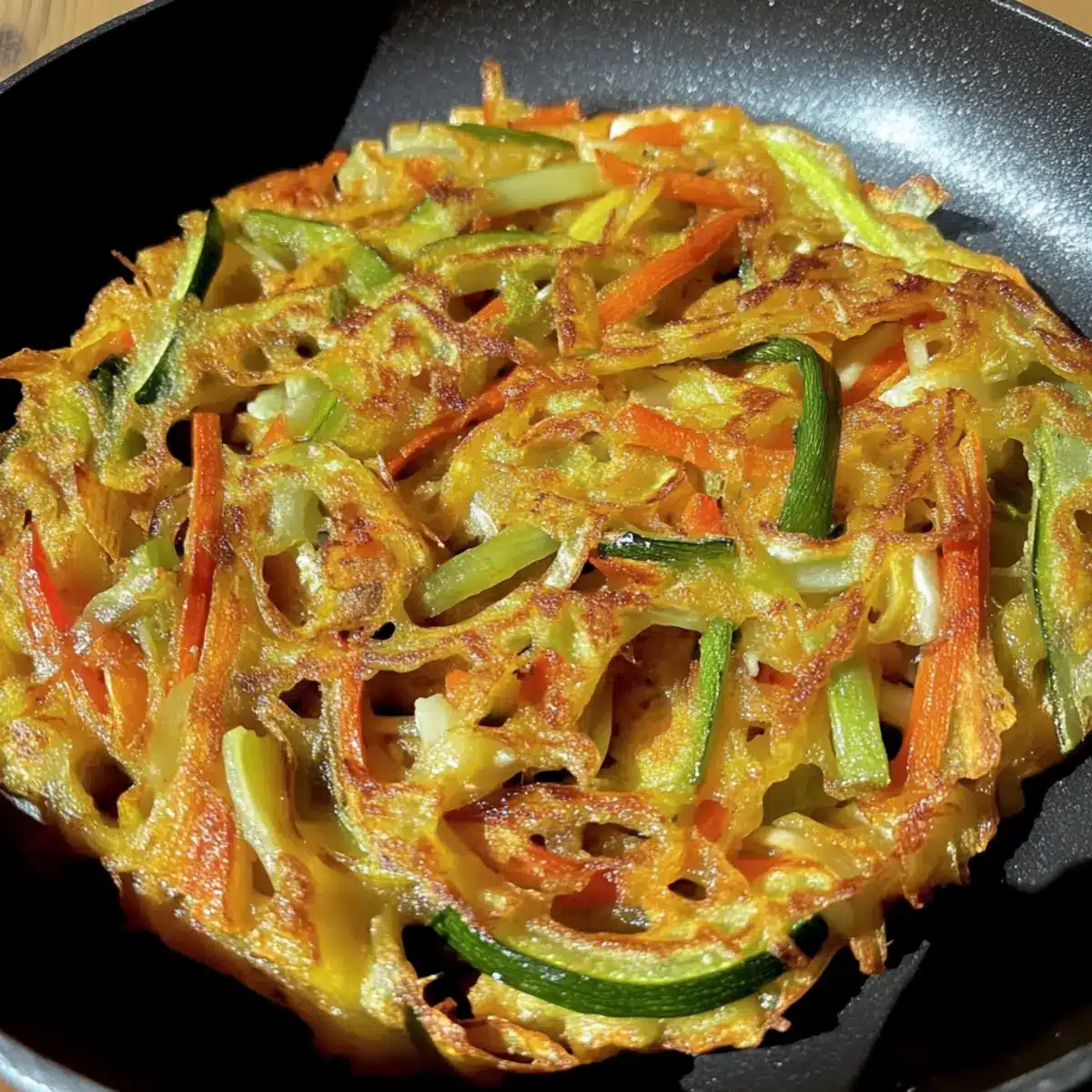
Korean Vegetable Pancakes Recipe FAQs
What type of flour should I use for Korean Vegetable Pancakes?
You can use all-purpose flour as your main ingredient in Korean Vegetable Pancakes. If you’re looking for a gluten-free option, I recommend a gluten-free flour blend, which works beautifully to maintain the pancakes’ structure and crispiness. This way, everyone can enjoy this delicious dish!
How long can I store leftover Korean Vegetable Pancakes?
You can store leftover pancakes in an airtight container in the fridge for up to 3 days. Reheat them in a skillet with a little oil over medium heat to ensure they get nice and crispy when warmed up. Trust me, they taste even better when they’re reheated properly!
Can I freeze Korean Vegetable Pancakes?
Absolutely! To freeze your Korean Vegetable Pancakes, let them cool completely after cooking. Then, lay them flat in a single layer on a baking sheet and freeze until solid. Once firm, transfer them to a freezer-safe bag. They can be stored in the freezer for up to 2 months. When you’re ready to enjoy them, simply sauté in a bit of oil on medium heat until heated through and crispy—like magic!
How can I make Korean Vegetable Pancakes spicy?
If you like a bit of heat in your pancakes, you can incorporate finely chopped hot peppers directly into the batter or increase the amount of chili flakes in your dipping sauce. Start small and taste as you go to ensure you achieve your desired spice level. It’s such a fun way to customize the flavor!
Are Korean Vegetable Pancakes suitable for a vegan diet?
Yes, these pancakes are vegan-friendly! The primary ingredients, including vegetables and the batter, are all plant-based. Just be mindful of the dipping sauce and ensure the soy sauce you use is vegan. A perfect option for those looking to enjoy delicious and hearty plant-based food!
What if my batter is too thick?
If you’ve found that your batter is thicker than expected, you can easily adjust it by adding a little more water, one tablespoon at a time, until you reach a pancake batter consistency that is thick but pourable. This adjustment will help in achieving that wonderful crispy texture when frying!
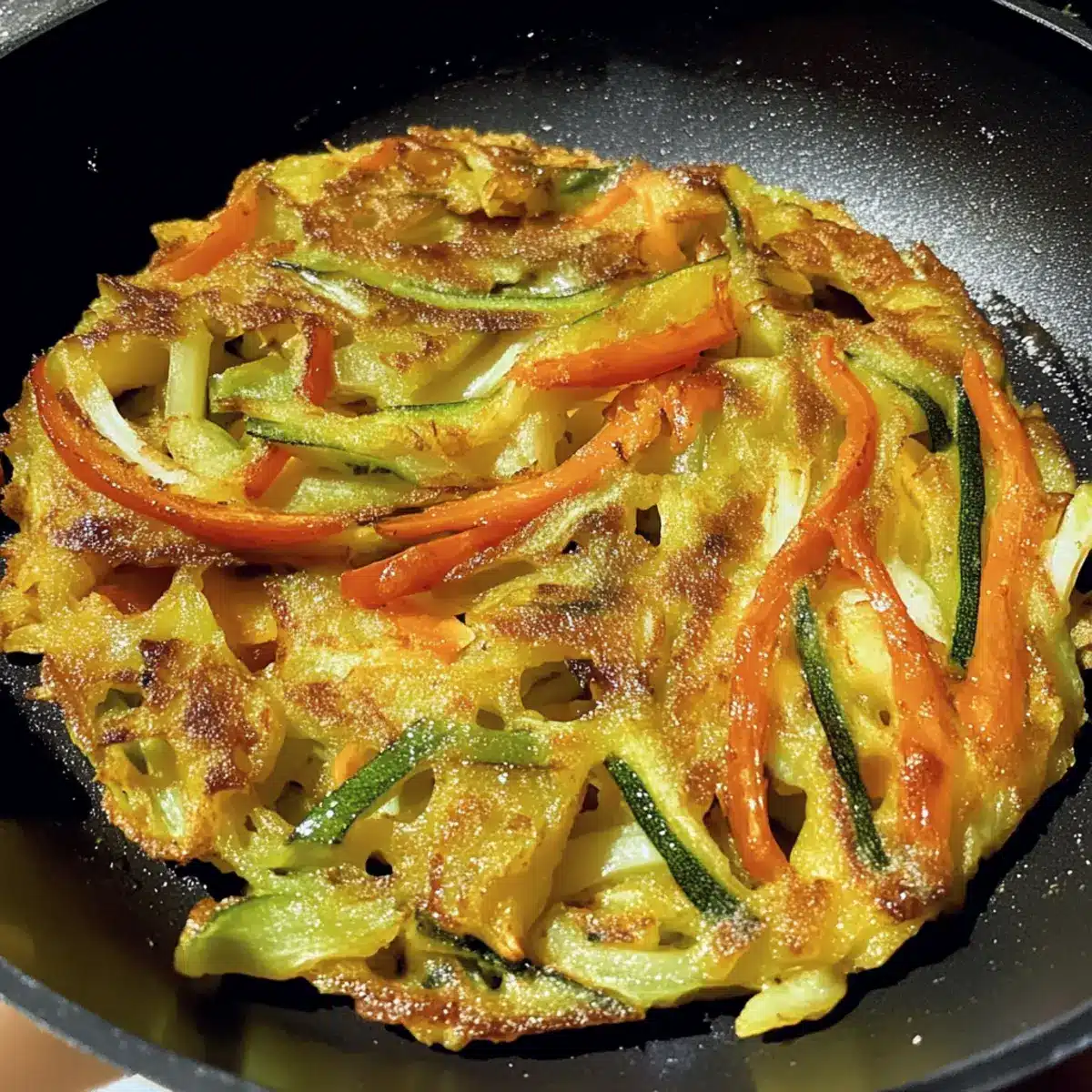
Delicious Korean Vegetable Pancakes for a Crispy Treat
Ingredients
Equipment
Method
- Wash and chop vegetables: slice green onions short, thinly slice red onion, cut carrot and red pepper into thin strips, finely chop hot pepper, and slice cabbage thinly.
- In a large mixing bowl, whisk together flour, cornstarch, turmeric, salt, and baking powder. Gradually add water, stirring until smooth and lump-free.
- Gently fold the prepared vegetables into the batter using a spatula until evenly coated.
- Prepare the dipping sauce by mixing soy sauce, sesame oil, rice vinegar, toasted sesame seeds, and chili flakes in a small bowl.
- Heat oil in a frying pan over medium heat. Allow the oil to heat until it shimmers.
- Ladle batter into the hot pan, spreading into a thin layer. Cook for about 3-4 minutes until edges are golden brown, flip and cook for another 2-3 minutes.
- Remove cooked pancakes from the pan, allow to drain on paper towels, and serve warm with dipping sauce.