

Every morning deserves a deliciously fresh start, and what better way to kick off your day than with Mediterranean Diet Breakfast recipes? With a marvelous blend of whole grains, creamy Greek yogurt, and vibrant fruits, these meals are designed not only to tantalize your taste buds but also to give you a long-lasting energy boost minus the sugar crashes. Whether you’re after quick and easy options or plant-based delights, the Mediterranean diet brings a wealth of health benefits, ensuring you stay satisfied and nourished all morning long. Imagine diving into a colorful bowl filled with crunchy nuts and sun-kissed figs while knowing you’re fueling your body the right way. Curious to discover some exciting variations to elevate your breakfast routine? Let’s dive in!
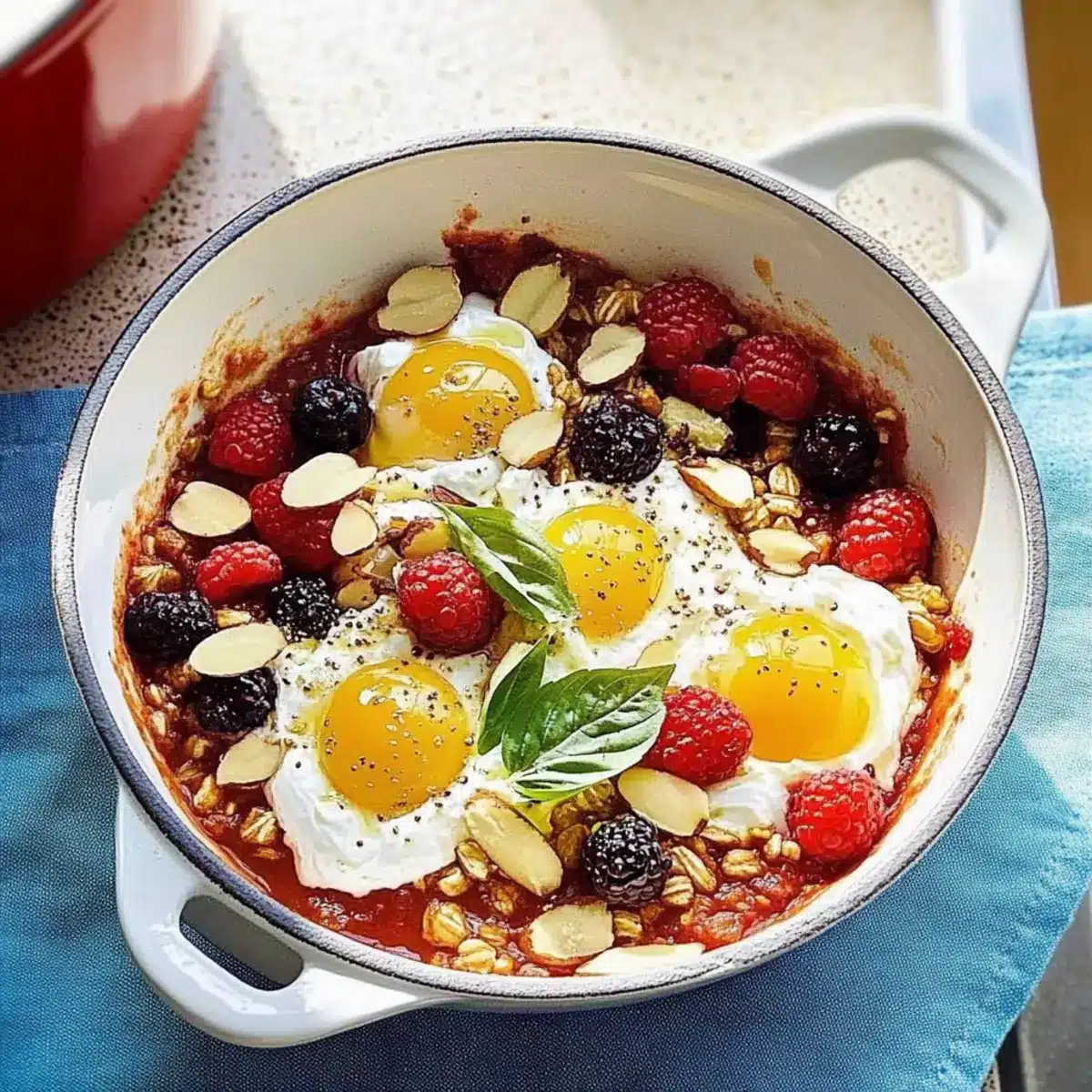
Why Choose Mediterranean Breakfasts?
Vibrant Flavors: The Mediterranean diet showcases colorful ingredients that make each breakfast exciting and visually appealing.
Health Benefits: Packed with high fiber and protein, these meals help you maintain energy levels and promote weight management.
Versatile Options: Whether you’re craving a quick breakfast or something more elaborate, there’s a recipe variation for everyone—check out our Hashbrown Breakfast Casserole for family-friendly ideas!
Simple Prep: Most dishes are quick to assemble, allowing you to enjoy home-cooked goodness without spending hours in the kitchen.
Cultural Diversity: Experience the culinary heritage of Greece and Italy as you savor ingredients that are fresh and locally sourced, providing a delightful taste of the Mediterranean right at your table.
Mix and Match: Feel free to swap grains for veggies or add a drizzle of your favorite sweetener for a personal touch—there’s no wrong way to enjoy these nourishing bowls!
Mediterranean Diet Breakfast Ingredients
Note: Here are the key ingredients to create your flavorful Mediterranean Diet Breakfast bowls!
For the Base
- Whole Grains – Choose options like quinoa or farro for a hearty foundation full of complex carbohydrates.
- Greek Yogurt – Adds a creamy texture and is packed with protein; dairy-free yogurt is a great vegan substitute.
For the Fruits
- Berries (e.g., blueberries, strawberries) – These offer natural sweetness and are rich in antioxidants; use fresh or frozen depending on what’s available.
- Figs – Juicy and high in fiber, figs add a delightful sweetness; swap out for seasonal fruits if preferred.
For the Crunch
- Nuts (e.g., almonds, walnuts) – They bring healthy fats and satisfying crunch; feel free to mix varieties based on taste!
- Seeds (e.g., chia, flaxseed) – Boost nutrition with added fiber and healthy omega-3s; sprinkle them on for a nutrient kick.
For the Protein
- Eggs – A great source of protein; scramble or poach to your liking for a savory breakfast option.
- Tofu – Use as a plant-based egg substitute for a vegan version, seasoned to match your taste preferences.
For the Flavor
- Olive Oil – Drizzle on top for a rich, healthy fat that enhances flavors and aids in satiety; avocados can also work wonders here.
- Herbs (e.g., mint, basil) – Fresh herbs bring brightness and zest; try experimenting with what’s available in your garden!
With these ingredients, you’re on your way to enjoying delightful and nourishing Mediterranean Diet Breakfast recipes that will energize your mornings!
Step-by-Step Instructions for Mediterranean Diet Breakfast
Step 1: Prep Ingredients
Gather your fresh vegetables, fruits, and grains. Rinse berries and figs under cold water, and soak whole grains like quinoa for about 15 minutes in a bowl of water. This helps soften them for cooking. Lay out all ingredients on your countertop so you can easily access them while preparing your Mediterranean Diet Breakfast.
Step 2: Cook Grains
In a medium saucepan, combine the soaked quinoa with 2 cups of water. Bring the mixture to a boil over medium-high heat, then reduce to a simmer. Cover and cook for about 15 minutes or until the grains are fluffy and all water is absorbed. Fluff the quinoa with a fork for an inviting texture, perfect as the nutritious base of your breakfast bowls.
Step 3: Prepare Yogurt Base
While the quinoa is cooking, take a bowl and combine your Greek yogurt with a drizzle of honey for sweetness and a handful of chopped fresh herbs, like mint or basil, for a flavor kick. Stir until smooth and creamy. This yogurt base will add a delightful creaminess to your Mediterranean Diet Breakfast and elevate the overall taste.
Step 4: Assemble Breakfast Bowls
Once your quinoa is ready, divide it among serving bowls as the hearty foundation. Top with generous dollops of the yogurt mixture. Then, beautifully layer in fresh fruits like berries and figs, creating a vibrant display that is pleasing to the eye. This assembly brings the Mediterranean Diet Breakfast to life, highlighting colors and textures.
Step 5: Optional Cooking
For an extra protein boost, heat a non-stick skillet over medium heat. Crack in your eggs and cook to your preferred doneness—sunny side up or scrambled for about 5-7 minutes. If you’re making a plant-based version, sauté crumbled tofu with your favorite spices instead. Add this savory option on top of your grains for a filling breakfast.
Step 6: Serve and Enjoy
Take a moment to admire your beautifully crafted Mediterranean Diet Breakfast bowls before serving. Drizzle a bit of olive oil over the top for an extra touch of flavor, and sprinkle some nuts and seeds for a crunchy finish. Enjoy immediately for a nourishing start to your day, or pack them for a delicious meal prep option!

Expert Tips for Mediterranean Diet Breakfast
-
Grain Prep: Soak grains: Soaking quinoa or farro for at least 15 minutes makes them fluffier and easier to cook, resulting in a perfect base for your Mediterranean Diet Breakfast.
-
Yogurt Customization: Get creative: Mix Greek yogurt with honey and seasonal herbs to customize flavors. This adds a personal touch to your breakfast bowls.
-
Vibrant Fruits: Use fresh or dried: Depending on the season, you can use fresh berries or dried figs, ensuring your Mediterranean Diet Breakfast is always deliciously satisfying.
-
Cooking Eggs: Don’t overcook: If using eggs, keep an eye on the cooking time. Fluffy scrambled eggs or a runny yolk can elevate your dish; avoid hard eggs for the best results.
-
Storage Tips: Meal prep wisely: Store components separately in airtight containers for freshness, allowing you to enjoy your Mediterranean Diet Breakfast throughout the week without losing flavor.
Mediterranean Diet Breakfast: Exciting Variations
Feel free to tailor your breakfast bowls to suit your taste and dietary needs with these tasty twists!
- Vegan Delight: Substitute dairy yogurt with almond or coconut yogurt for a creamy, plant-based option. It still keeps the bowl rich and indulgent!
- Low-Carb Switch: Swap whole grains for spiralized zucchini or cauliflower rice for a refreshing and low-carb breakfast alternative; it adds a lovely crunch!
- Sweet Twist: Drizzle pure maple syrup or honey over your bowl for a touch of sweetness that beautifully complements the fruits. Balance is key!
- Nutty Flavor Boost: Use a mix of your favorite nuts like pistachios or hazelnuts for a crunchy texture; each nut brings its own unique flavor to the party.
- Herbaceous Touch: Experiment with fresh herbs such as dill or parsley for a refreshing flavor change; this can elevate savory toppings spectacularly!
- Hearty Protein: For a more filling breakfast, add chickpeas or lentils into the mix; they offer additional protein and a delightful chewiness!
- Citrus Splash: Bring in seasonal fruits like oranges or grapefruit segments for a burst of freshness that will brighten your morning.
- Savory Cravings: If you prefer a more savory bowl, sauté mushrooms or spinach for a hearty addition. This elevates your Mediterranean experience.
For an additional delicious idea, consider trying our Salmon Bagel Breakfast for inspiration on protein-packed meals. Enjoy experimenting!
How to Store and Freeze Mediterranean Diet Breakfast
Fridge: Store prepared breakfast components like grains and yogurt in airtight containers for up to 3 days. Keep fruits and nuts separate to maintain their freshness.
Freezer: For longer storage, freeze cooked whole grains in freezer-safe bags for up to 3 months. Allow to cool before sealing the bags to prevent moisture build-up.
Reheating: When ready to enjoy, simply reheat grains in the microwave or on the stove with a splash of water. Serve with fresh fruits and yogurt for your Mediterranean Diet Breakfast.
Make-Ahead: Consider prepping large batches of grains and yogurt ahead of time. This allows for quick assembly in the morning, making healthy eating convenient and effortless!
Make Ahead Options
These Mediterranean Diet Breakfast recipes are perfect for meal prep enthusiasts! You can prepare the whole grains and yogurt base up to 3 days in advance, storing them in airtight containers in the refrigerator to maintain their freshness. For best results, cook the quinoa (or other grains) until fluffy, then refrigerate it separately, while keeping the yogurt mixed with honey and herbs ready to go. When you’re ready to serve, simply reheat the grains for optimal warmth, layer them with chilled yogurt, fresh fruits, and any nuts or seeds for extra crunch. This way, you’ll have a delicious and nutritious breakfast right at your fingertips, saving you precious time on busy mornings!
What to Serve with Mediterranean Diet Breakfast?
Start your mornings with a delightful array of sides that enhance your Mediterranean Diet Breakfast experience.
- Herbal Tea: Sipping on a warm cup of herbal tea complements the freshness of your breakfast and aids in digestion.
- Fresh Fruit Salad: A medley of seasonal fruits adds a refreshing, sweet element to your meal, brightening your plate and palate.
- Avocado Toast: Crunchy whole-grain toast topped with creamy avocado reflects Mediterranean principles and provides heart-healthy fats.
- Olive Oil Drizzle: A splash of high-quality olive oil over your bowls can elevate flavors while promoting satiety and health.
- Greek Coffee or Espresso: Start your day with a robust cup of Greek coffee, enhancing the authentic Mediterranean experience while providing a caffeine boost.
- Feta Cheese Crumbles: A sprinkle of tangy feta brings a salty contrast that pairs harmoniously with the sweetness of fruits and the creaminess of yogurt.
- Chia Seed Pudding: For those who love a touch of indulgence, a bowl of chia pudding can add a sweet, nutritious component to your breakfast spread.
These delightful pairings not only enhance textures and flavors but also create a satisfying breakfast that nourishes both body and soul.
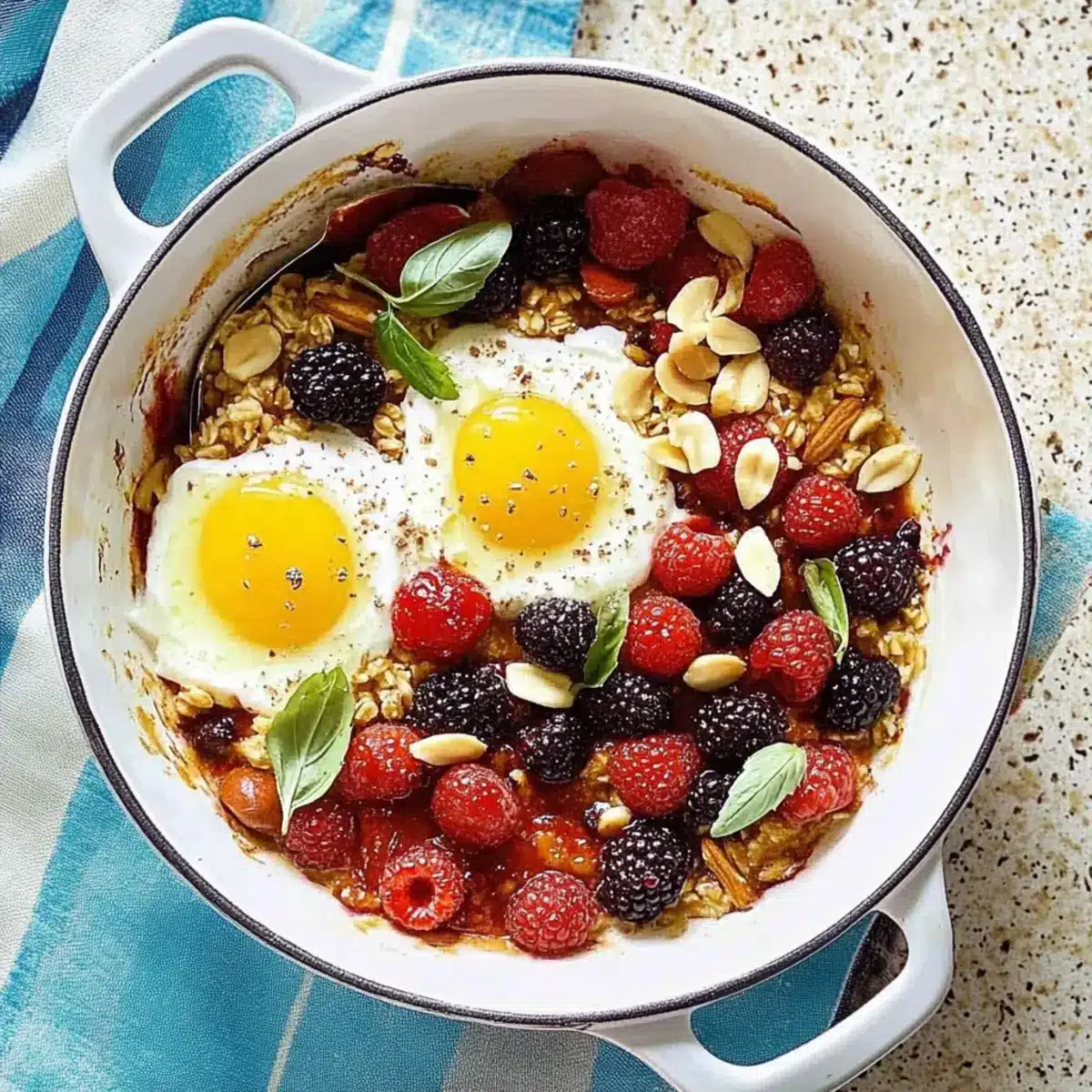
Mediterranean Diet Breakfast Recipe FAQs
What types of whole grains are best for Mediterranean breakfasts?
Absolutely! Whole grains like quinoa and farro are excellent choices for Mediterranean breakfasts. They provide complex carbohydrates that help sustain energy throughout the morning. If you want to switch things up, you can also use barley or bulgur, which can add delightful textures to your bowls.
How should I store leftovers from my Mediterranean breakfast?
Very simple! Store leftover components, such as cooked grains and Greek yogurt, in airtight containers in the refrigerator for up to 3 days. Keep fruits and nuts separate to maintain their freshness and texture, so you can enjoy the same delightful flavors for breakfast again!
Can I freeze components of the Mediterranean Diet Breakfast?
Yes, you can! To freeze cooked whole grains like quinoa or farro, allow them to cool completely before transferring them to freezer-safe bags. Press out excess air and seal tightly. They can be stored for up to 3 months. When you’re ready to enjoy them, just reheat in the microwave or on the stove with a little water to help restore moisture.
What if my grains turn out mushy?
No worries! If you find that your grains have become mushy, they may have been overcooked or had too much water during cooking. To salvage them, consider using them in a soup or casserole, where the additional moisture won’t be detrimental. In the future, use a 2:1 water-to-grain ratio, and keep an eye on the cooking time—always aim for al dente for that delightful texture!
Are there any dietary considerations for pets regarding these recipes?
Yes! It’s important to avoid feeding your pets Greek yogurt, especially if they are lactose intolerant, and always check for any harmful nuts (like macadamia nuts). Fresh fruits, like blueberries and figs, can be a safe occasional treat. Always consult your veterinarian for specific dietary guidelines for your pets.
Is it easy to make this Mediterranean Diet Breakfast plant-based?
Absolutely! You can easily create a plant-based version of this breakfast by substituting Greek yogurt with dairy-free yogurt and using tofu instead of eggs. Simply sauté scrambled tofu with your favorite spices, and follow all other steps as indicated. You’ll still enjoy a deliciously nourishing breakfast that resonates with Mediterranean flavors!
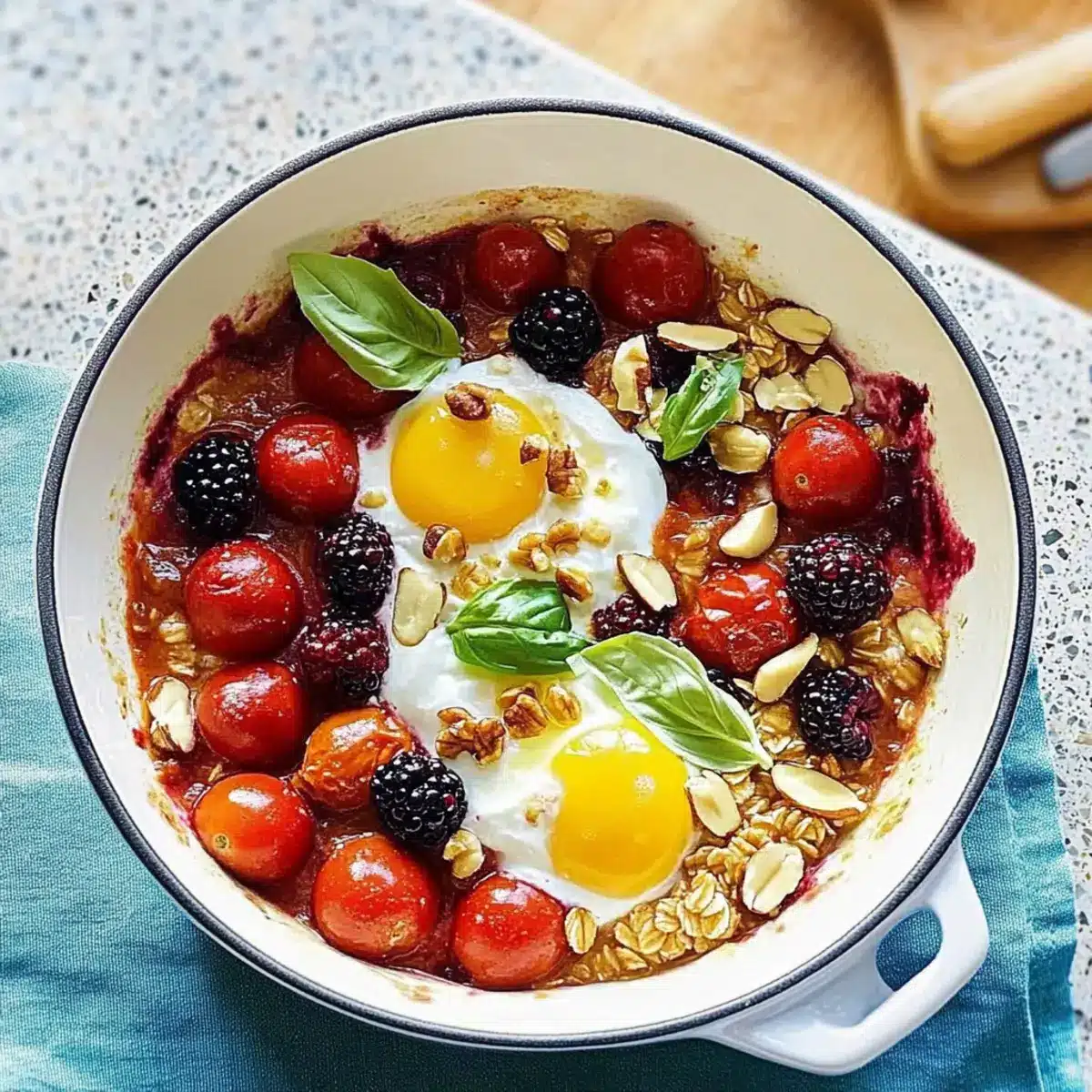
Mediterranean Diet Breakfast: Vibrant Bowls for a Fresh Start
Ingredients
Equipment
Method
- Gather fresh vegetables, fruits, and grains. Rinse berries and figs, and soak quinoa for 15 minutes.
- In a saucepan, combine soaked quinoa with 2 cups of water. Bring to a boil, then simmer covered for 15 minutes.
- Mix Greek yogurt with honey and chopped herbs until smooth.
- Divide cooked quinoa among bowls. Top with yogurt, berries, and figs.
- Cook eggs or sauté tofu in a skillet to add to the bowls.
- Drizzle olive oil and sprinkle nuts and seeds before serving.