

As the sizzling sound of steak hitting a hot skillet fills the kitchen, I can’t help but feel a wave of excitement wash over me. You know those nights when takeout just isn’t cutting it? Enter my Hibachi Steak Bowls—a quick and customizable meal that brings the vibrant flavors of a Japanese grill right to your dining table. With crisp vegetables and perfectly cooked steak, this dish not only delights the taste buds but also gathers the family around for hearty, homemade goodness. Plus, it’s a breeze to whip up on a busy weeknight, making it a crowd-pleaser that even the pickiest eaters can’t resist. Are you ready to elevate your dinner routine with these delicious bowls? Let’s dive in!
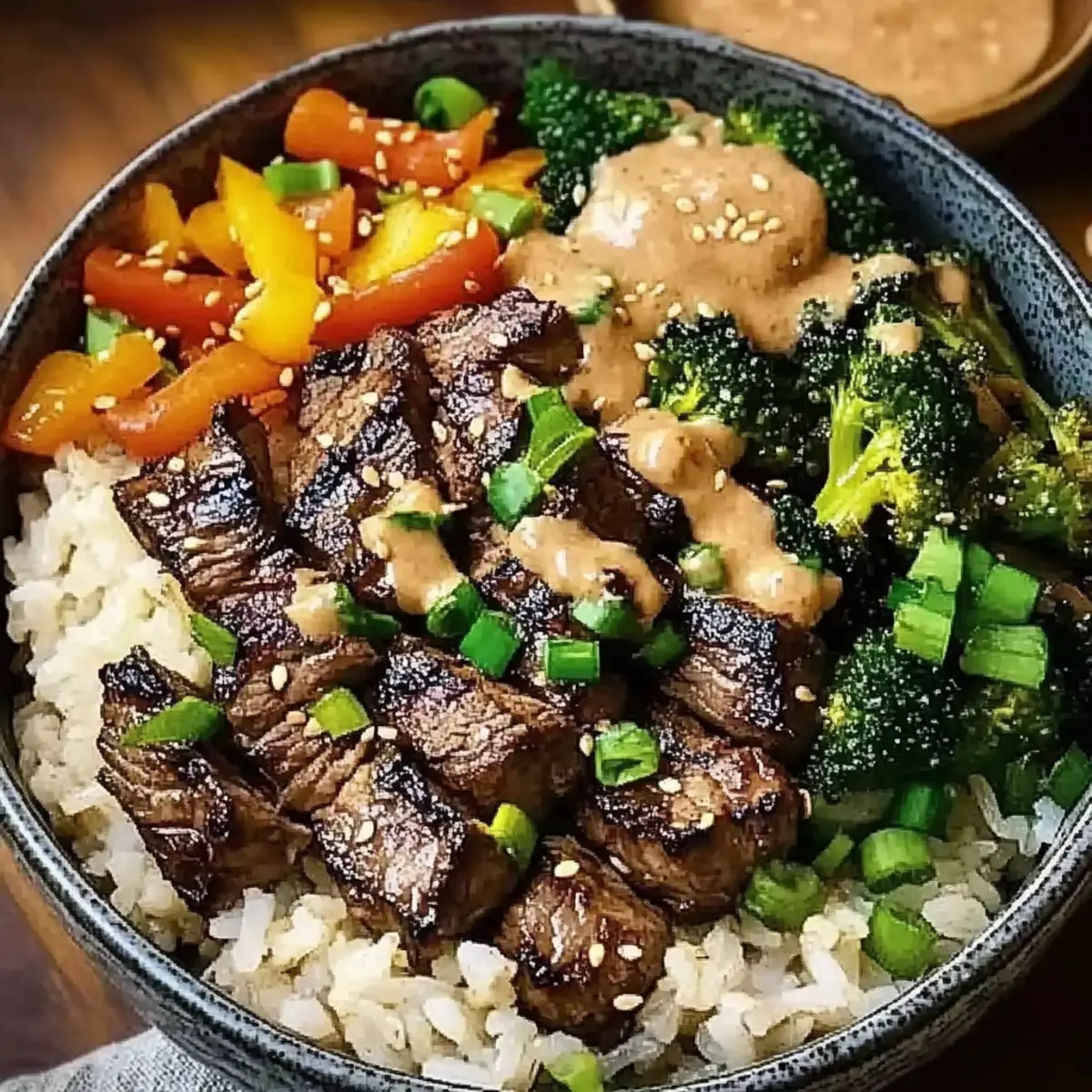
Why Are Hibachi Steak Bowls a Must-Try?
Simplicity: These bowls are incredibly easy to prepare, making them a perfect weeknight solution for busy families.
Customizable: You can swap out veggies and proteins to suit your preferences, making it a versatile dish for anyone!
Flavor Explosion: Enjoy the delicious combination of savory steak, fresh vegetables, and aromatic sesame oil that will leave you craving more.
Quick Prep Time: With just a handful of ingredients and minimal cooking time, you’ll have this delicious meal on the table in no time.
Healthy Option: Tailor the ingredients for your dietary needs—try Greek Chicken Bowls for a fresh alternative or swap in cauliflower rice for a low-carb option.
Ready to savor the deliciousness of homemade hibachi? Grab your ingredients and let’s get cooking!
Hibachi Steak Bowls Ingredients
For the Bowls
- Ribeye or Sirloin Steak – A rich, flavorful protein choice; substitute with skirt or flank steak for variation.
- Cooked Rice (White or Brown) – Acts as a hearty base; quinoa or cauliflower rice makes for a lower-carb option.
For the Vegetables
- Broccoli Florets – Adds a vibrant crunch; snap peas or green beans can be used for a colorful twist.
- Sliced Bell Peppers – Introduces sweetness and can be substituted with zucchini or any color bell pepper.
- Sliced Carrots – Offers a natural sweetness and texture; consider shredded carrots or celery for a refreshing bite.
For Flavoring
- Soy Sauce – Brings essential umami flavor; tamari serves as a gluten-free alternative.
- Sesame Oil – Infuses dishes with a delightful nutty aroma; vegetable or olive oil can replace it but will alter the taste.
- Garlic Powder – Elevates overall flavor; fresh garlic cloves can also be used for a punchier profile.
- Ginger Powder – Adds a warm, zesty kick; fresh grated ginger may amplify the dish’s flavor.
- Salt and Pepper – Essential seasoning to taste.
For Garnish
- Green Onions – Sprinkle on top for a fresh burst of color and flavor.
- Sesame Seeds – Adds a delightful crunch and visual appeal; you can toast them for extra flavor.
These Hibachi Steak Bowls ingredients are not just about filling your plate; they’re about bringing warmth and joy to your dining experience with fresh, customizable options that cater to everyone’s preferences!
Step‑by‑Step Instructions for Hibachi Steak Bowls
Step 1: Prep Ingredients
Begin by gathering your ingredients for the Hibachi Steak Bowls. Slice the ribeye or sirloin steak into thin strips, and set aside. Next, wash and cut the broccoli florets, bell peppers, and carrots into bite-sized pieces. If you haven’t done so already, cook the rice according to package instructions, keeping it warm for assembly later.
Step 2: Cook Steak
Heat a skillet or griddle over high heat until it’s sizzling hot. Add a drizzle of sesame oil, then sear the steak strips for about 3-5 minutes, flipping once, until they reach your desired doneness (aim for medium-rare at 135°F). Once cooked, remove the steak from the skillet and let it rest for a few minutes to lock in the juices.
Step 3: Sauté Vegetables
In the same skillet with residual juices, add the broccoli, bell peppers, and carrots. Stir-fry the vegetables over high heat for about 3-4 minutes, allowing them to become tender yet crisp. Keep an eye on them to ensure they maintain their vibrant color and remain slightly crunchy—this adds a delightful texture to your Hibachi Steak Bowls.
Step 4: Season
Once the vegetables are perfectly cooked, sprinkle in garlic powder and ginger powder, then drizzle soy sauce and a bit more sesame oil over the top. Toss everything in the skillet to evenly coat the veggies with the seasonings and cook for an additional minute. The aroma will be irresistible, signaling it’s time to assemble your delicious bowls.
Step 5: Assemble Bowls
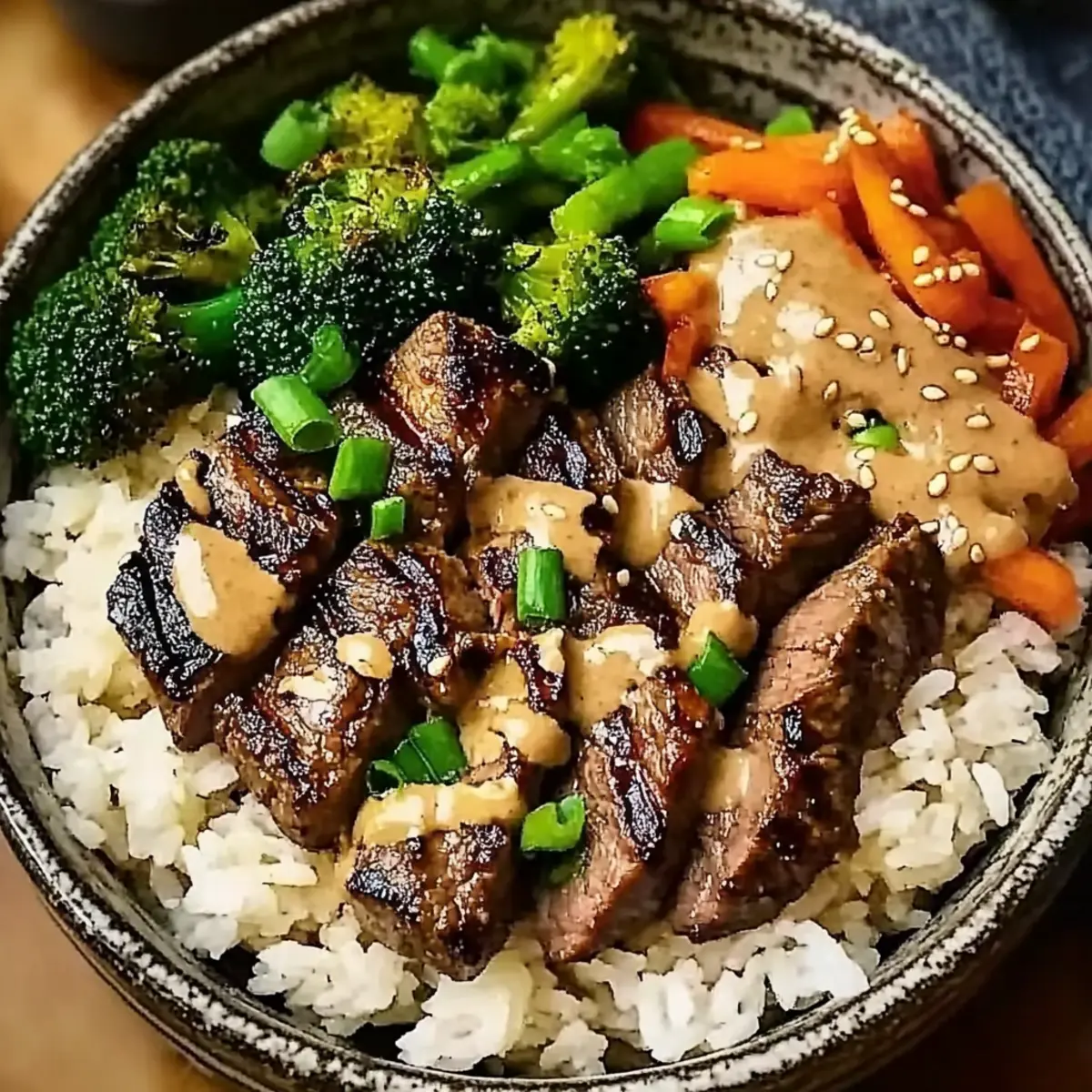
Start creating your Hibachi Steak Bowls by layering a generous serving of cooked rice at the bottom of each bowl. Next, generously pile on the sautéed vegetables. Finally, slice the rested steak into thin strips and arrange them on top, allowing the vibrant colors to shine through.
Step 6: Garnish and Serve
Finish off your hibachi steak bowls with a sprinkle of chopped green onions and sesame seeds for an extra burst of flavor and crunch. This not only enhances the visual appeal but adds a delicious finishing touch. Serve immediately and enjoy the delightful medley of flavors you’ve created!
How to Store and Freeze Hibachi Steak Bowls
Room Temperature: Enjoy Hibachi Steak Bowls fresh, but if left out, consume within 2 hours to ensure food safety.
Fridge: Store any leftovers in an airtight container in the refrigerator for up to 3 days. To maintain texture, keep steak and veggies separate until ready to eat.
Freezer: For longer storage, freeze the components in airtight bags or containers. They will remain good for up to 2 months. When ready to eat, thaw overnight in the fridge.
Reheating: Carefully reheat the steak and vegetables in a skillet over medium heat, adding a splash of soy sauce or sesame oil for moisture and flavor. Enjoy your Hibachi Steak Bowls with that fresh-made taste!
What to Serve with Hibachi Steak Bowls
Indulge in a full-flavored meal experience that beautifully complements the essence of hibachi cooking, elevating your dinner to new heights.
-
Creamy Mashed Potatoes: Their buttery richness provides a comforting contrast to the savory steak and vegetables. Imagine a fluffy scoop melting in your mouth, making each bite of steak even more delightful.
-
Garlic Butter Asparagus: This dish brings a pop of freshness to the table. The garlic butter enhances the earthy flavors of the asparagus, creating a tantalizing side that perfectly balances the rich hibachi experience.
-
Crispy Spring Rolls: A crunchy and light starter, spring rolls add a fun textural element. Pair them with a tangy dipping sauce, and the burst of flavors makes for an exciting kickoff to your meal.
-
Japanese Cucumber Salad: With its refreshing and slightly tangy flavor profile, this salad brightens up the plate. The coolness of the cucumbers acts as a perfect palate cleanser between bites of hearty steak.
-
White or Green Wine: Sip on a glass of chilled white wine or a refreshing green tea. The acidity of these beverages pairs well with the savory notes of the hibachi bowls, enhancing the overall dining experience.
-
Chocolate Mousse: For dessert, a rich and airy chocolate mousse wraps up the meal beautifully. Its smooth texture offers a delightful contrast to the savory elements and leaves you with a sweet satisfaction.
-
Chilled Sake: If you’re feeling adventurous, consider a glass of chilled sake. The light, fruity notes amplify the flavors of your hibachi steak bowls, making for an authentic finishing touch.
-
Steamed Edamame: A healthy and protein-packed addition, edamame brings a delightful bite to your spread. Toss them with sea salt for a simple yet effective side that complements your bowls.
Elevate your dining experience by offering these delectable sides alongside the hibachi steak bowls, turning your meal into an unforgettable feast!
Expert Tips for Hibachi Steak Bowls
-
Perfect Steak Doneness: Use a meat thermometer to ensure your steak reaches medium-rare (135°F). This prevents overcooking and keeps it tender and juicy.
-
Veggie Crunch: Stir-fry vegetables just until tender but still crisp. This maintains their vibrant colors and adds a delightful crunch to your Hibachi Steak Bowls.
-
Prep Ahead: Consider chopping vegetables and marinating the steak a day in advance. It saves time and allows flavors to meld, making for a tastier meal.
-
Sauce Alternatives: If you don’t have soy sauce, try coconut aminos or a homemade version with tamari for gluten-free Hibachi Steak Bowls without sacrificing flavor.
-
Layering Matters: Assemble your bowls by layering rice first, then veggies, and finally steak. This keeps everything warm and ensures a balanced bite of flavors in every scoop.
Make Ahead Options
These Hibachi Steak Bowls are perfect for meal prep enthusiasts! You can chop the vegetables and slice the steak up to 24 hours in advance, storing them in airtight containers in the refrigerator to maintain freshness. Additionally, you can cook the rice and refrigerate it for about 3 days. When it’s time to serve, simply reheat the rice, sauté the prepped vegetables and steak in a hot skillet for a few minutes until warmed through, and assemble the bowls with the garnishes. This way, you’ll enjoy the same delicious flavors without the last-minute rush, making family dinners an absolute breeze!
Hibachi Steak Bowls Customization Ideas
Feel free to personalize these hibachi steak bowls with your favorite ingredients and flavor twists that will excite your palate!
-
Vegetable Swap: Substitute any vegetable based on seasonal availability; try mushrooms or spinach for new textures and flavors. Mixing it up keeps each bowl unique and vibrant!
-
Protein Variation: Switch out the steak for chicken, shrimp, or tofu. This way, you can satisfy different preferences and dietary needs while enjoying a delightful meal.
-
Sauce Adventure: Experiment with sauces by using a sweeter hoisin or zesty orange glaze instead of soy sauce for a fruity twist. This adds depth and intrigue to your bowls!
-
Supercharged Flavor: Enhance the flavor by incorporating fresh herbs like cilantro or basil, or adding a splash of lime juice for a burst of freshness in each bite.
-
Heat Level Adjustment: If you enjoy spicy food, add a kick with red pepper flakes or a drizzle of Sriracha. Discover how a little heat transforms the overall experience!
-
Grain Alternatives: Swap cooked rice for quinoa or cauliflower rice for a lighter, low-carb option that adds a different texture while maintaining a nutritious base.
-
Nutty Crunch: Fold in some chopped nuts, like cashews or peanuts, for an unexpected crunch that complements the tender vegetables and savory steak wonderfully.
And if you’re looking for a different protein-focused dish, why not check out these Garlic Butter Steak or savor the flavors of our delicious Potato Taco Bowls? Embrace the art of customization and enjoy every bite!
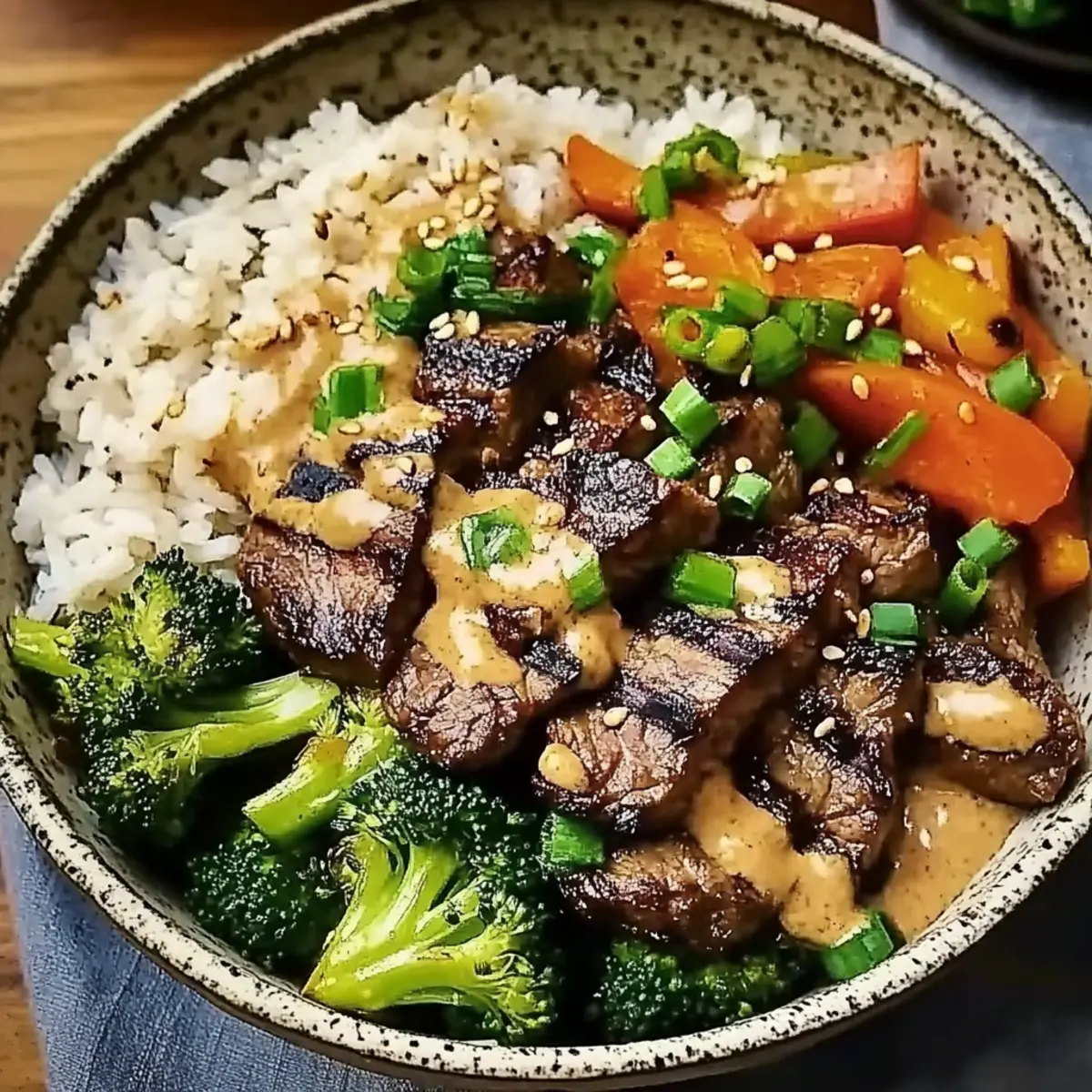
Hibachi Steak Bowls Recipe FAQs
What type of steak is best for Hibachi Steak Bowls?
Absolutely! Ribeye or sirloin steak is ideal for Hibachi Steak Bowls due to their rich flavor and tenderness. However, you can also use skirt or flank steak if you prefer a different cut.
How should I store leftover Hibachi Steak Bowls?
Store any leftover Hibachi Steak Bowls in an airtight container in the refrigerator for up to 3 days. To maintain texture, I recommend keeping the steak and veggies separate from the rice until you’re ready to enjoy them again.
Can I freeze Hibachi Steak Bowls?
Very! To freeze your Hibachi Steak Bowls, portion out the components into airtight bags or containers. Everything will stay good for up to 2 months. When you’re ready to enjoy them, just thaw overnight in the fridge and reheat gently on the stove to keep the flavors intact.
What if my steak is overcooked?
If you’ve accidentally overcooked your steak, don’t worry too much! You can try slicing it into smaller pieces and mixing it with the veggies and rice to help mask the texture. Additionally, adding a splash of soy sauce or a little broth can help moisten the dish.
How can I customize the veggies in my Hibachi Steak Bowls?
Feel free to personalize your Hibachi Steak Bowls by using whatever vegetables you prefer or have on hand. Broccoli, bell peppers, and carrots are traditional, but you can easily substitute with snap peas, zucchini, or even mushrooms. The more the merrier!
Is this recipe safe for gluten-free diets?
Yes! Just make sure to use tamari instead of regular soy sauce to ensure your Hibachi Steak Bowls are gluten-free. This simple swap allows you to enjoy the same great taste while accommodating dietary needs.
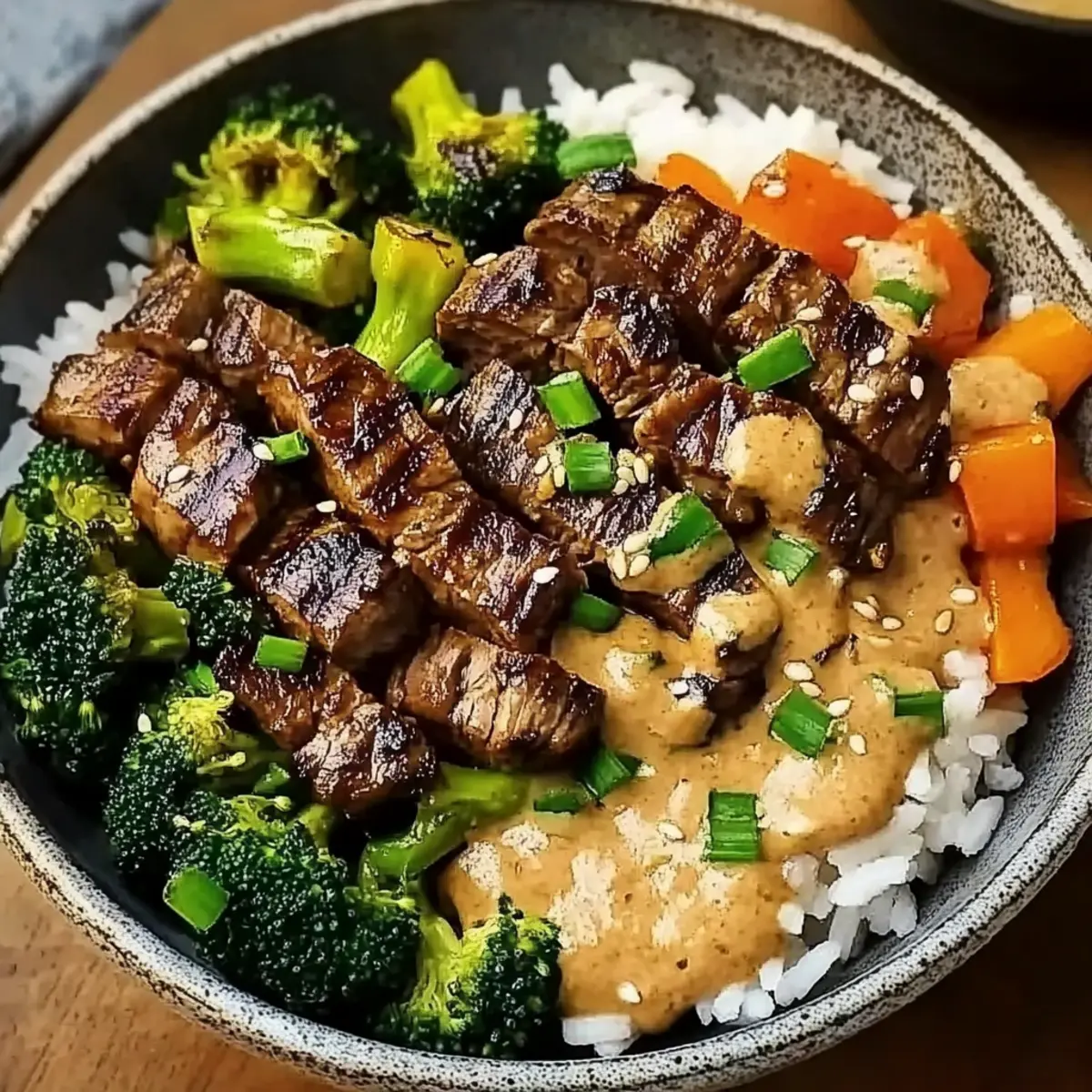
Savory Hibachi Steak Bowls Bursting with Fresh Flavor
Ingredients
Equipment
Method
- Begin by gathering your ingredients for the Hibachi Steak Bowls. Slice the ribeye or sirloin steak into thin strips, and set aside. Next, wash and cut the broccoli florets, bell peppers, and carrots into bite-sized pieces. If you haven't done so already, cook the rice according to package instructions, keeping it warm for assembly later.
- Heat a skillet or griddle over high heat until it’s sizzling hot. Add a drizzle of sesame oil, then sear the steak strips for about 3-5 minutes, flipping once, until they reach your desired doneness (aim for medium-rare at 135°F). Once cooked, remove the steak from the skillet and let it rest for a few minutes to lock in the juices.
- In the same skillet with residual juices, add the broccoli, bell peppers, and carrots. Stir-fry the vegetables over high heat for about 3-4 minutes, allowing them to become tender yet crisp.
- Once the vegetables are perfectly cooked, sprinkle in garlic powder and ginger powder, then drizzle soy sauce and a bit more sesame oil over the top. Toss everything in the skillet to evenly coat the veggies with the seasonings and cook for an additional minute.
- Start creating your Hibachi Steak Bowls by layering a generous serving of cooked rice at the bottom of each bowl. Next, generously pile on the sautéed vegetables. Finally, slice the rested steak into thin strips and arrange them on top.
- Finish off your hibachi steak bowls with a sprinkle of chopped green onions and sesame seeds for an extra burst of flavor and crunch. Serve immediately.