

As I helped my neighbor pick flowers in her garden last spring, I stumbled upon the delicate scent of lavender mingling with the zesty aroma of fresh lemons. Inspired by nature’s perfect pairing, I decided to create a Lemon Lavender Cake that captures the essence of those vibrant moments. This enchanting dessert not only serves as a delightful centerpiece for any gathering but also offers an easy, quick prep time that’s perfect for weeknight baking. With its light, fluffy texture and refreshing citrus notes, this cake is a guaranteed crowd-pleaser that can elevate your afternoon tea or brunch. Curious how to whip up this springtime delight? Let’s dive into the recipe together!
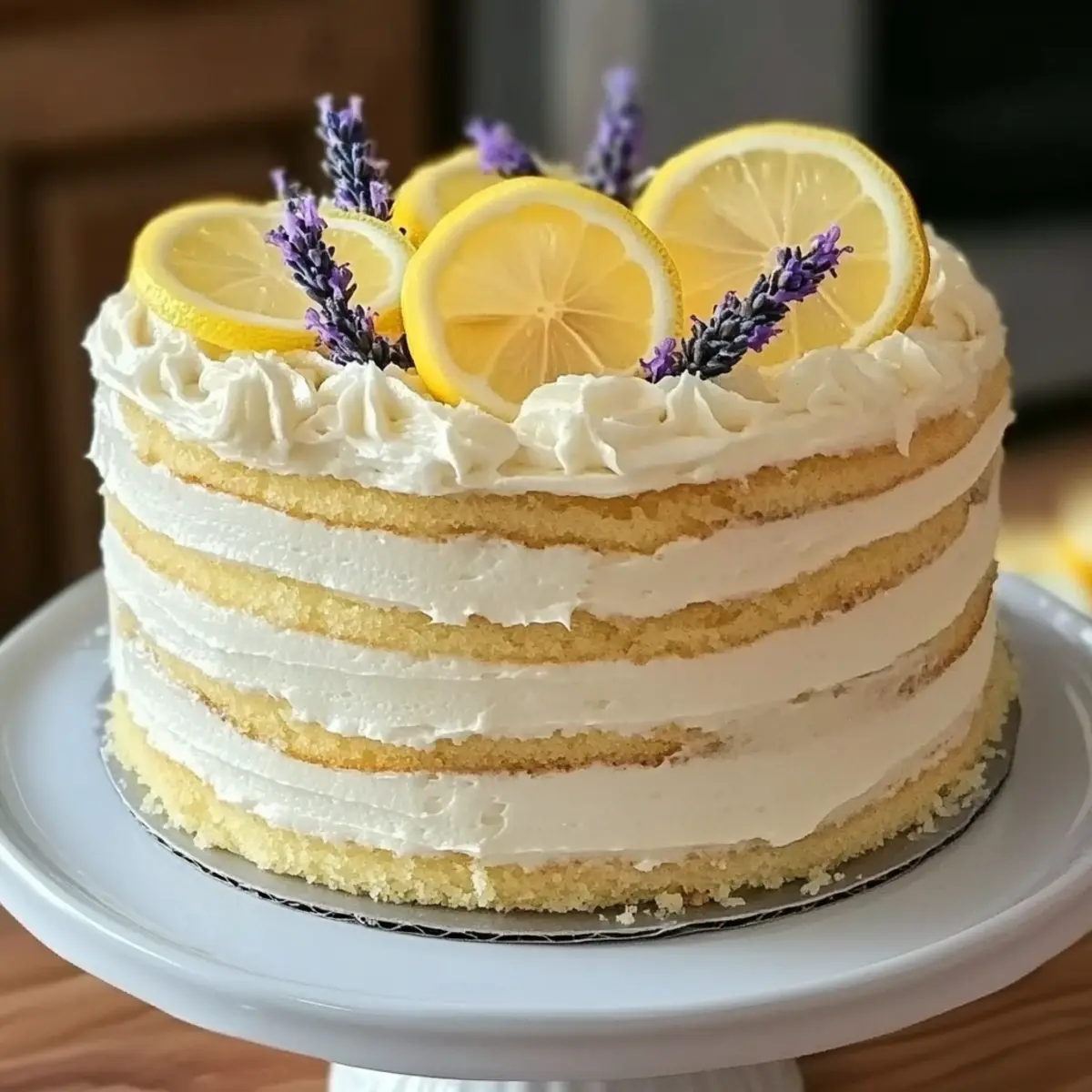
Why is Lemon Lavender Cake special?
Delightful Aroma: The combination of lemon and lavender creates an unforgettable scent that fills your kitchen, making everyone eager to taste this beauty.
Effortless Elegance: Perfectly suited for both casual and formal gatherings, it adds a touch of luxury without much fuss.
Springtime Freshness: With the vibrant citrus flavor, this cake brings a refreshing brightness to any meal or occasion, just like a picnic in a blooming garden.
Quick Prep Time: Fast to prepare, allowing you to focus on enjoying quality time with loved ones instead of spending all day in the kitchen.
Adaptable Base: Whether you want to swap lemon for orange or add poppy seeds, the variations are endless, making it your own special creation.
Pair it with a warm cup of tea or coffee, and you might find this cake quickly becomes your new favorite, just like our delightful Strawberry Shortcake Cake or the rich Coffee Caramel Cake!
Lemon Lavender Cake Ingredients
For the Cake Batter
• All-Purpose Flour – Provides structure to the cake; substitute with gluten-free flour for a gluten-free option.
• Baking Powder – A vital leavening agent that helps the cake rise; ensure it’s fresh for best results.
• Baking Soda – Works alongside baking powder for added fluffiness in the Lemon Lavender Cake.
• Salt – Enhances flavor and strengthens the gluten structure for a delightful crumb.
• Unsalted Butter (softened) – Adds richness and moisture; can substitute with coconut oil for a dairy-free alternative.
• Granulated Sugar – The main sweetening agent; contributes to the cake’s texture—consider coconut sugar for a less refined option.
• Large Eggs – Provide moisture and help bind ingredients; use an egg replacer for a vegan version.
• Lemon Zest – Intensifies citrus flavor and aroma; don’t skimp on this for a bright taste.
• Fresh Lemon Juice – Essential for tangy flavor and moisture; can use lime juice for a fun twist.
• Whole Milk – Contributes to the cake’s richness; substitute with almond or oat milk for a lactose-free version.
• Dried Lavender Buds (culinary grade) – Infuses the cake with its unique floral flavor; ensure they’re culinary grade for safety.
• Vanilla Extract – Enhances the overall flavor profile; vanilla powder can be used as an alternative.
For the Glaze
• Powdered Sugar – Used for the glaze, offering sweetness with a smooth finish.
• Heavy Cream – Adds richness to the glaze; can replace with coconut cream for a dairy-free version.
Enjoy crafting this Lemon Lavender Cake, and let its aromatic charms brighten your baking experience!
Step‑by‑Step Instructions for Lemon Lavender Cake
Step 1: Preheat the Oven
Begin by preheating your oven to 350°F (175°C). While it warms up, prepare two 9-inch round cake pans by greasing them with butter and dusting with flour, or lining them with parchment paper. This will ensure your Lemon Lavender Cake releases easily after baking, giving it that perfect pristine finish.
Step 2: Infuse the Lavender
In a medium saucepan over low heat, gently warm the whole milk. Once hot, add the dried culinary lavender buds and let them steep for about 15 minutes, allowing the floral aroma to infuse. After steeping, remove from heat, let cool slightly, and strain the milk to discard the lavender, setting it aside for later use in your cake batter.
Step 3: Mix the Dry Ingredients
In a large mixing bowl, whisk together the all-purpose flour, baking powder, baking soda, and salt until well combined. This step ensures that all leavening agents are evenly distributed, contributing to the light, fluffy texture of your Lemon Lavender Cake. Once combined, set this mixture aside as you move on to the wet ingredients.
Step 4: Cream Butter and Sugar
In a separate bowl, beat the softened unsalted butter and granulated sugar using an electric mixer on medium speed for about 3-4 minutes, or until the mixture becomes light and fluffy. Add the eggs one at a time, mixing well after each addition. Finally, incorporate the lemon zest, fresh lemon juice, and vanilla extract to enhance the citrusy flavors in your cake.
Step 5: Combine Wet and Dry Ingredients
Gradually add the flour mixture to the butter and sugar blend, alternating with the lavender-infused milk. Mix gently until just combined, being careful not to overmix, as this can lead to a dense cake. Aim for a smooth batter with a few small lumps; this will create a tender Lemon Lavender Cake that rises beautifully in the oven.
Step 6: Bake the Cake
Divide the batter evenly between the prepared cake pans. Place them in the preheated oven and bake for 25 to 30 minutes, or until a toothpick inserted into the center comes out clean. You’ll know the cakes are ready when they’re golden brown on top and slightly spring back when touched.
Step 7: Cool the Cakes
Once baked, remove the cake pans from the oven and let them cool for about 10 minutes. Carefully run a knife around the edges, then invert the cakes onto a wire rack to cool completely. This cooling step helps prevent a soggy bottom and also sets the stage for the delicious glaze and frosting to come.
Step 8: Prepare the Glaze
In a mixing bowl, whisk together the powdered sugar, additional lemon juice, lemon zest, and a sprinkle of lavender until smooth. This delightful glaze will provide a sweet and tangy finish to your Lemon Lavender Cake. Set it aside while you prepare the buttercream.
Step 9: Make the Buttercream
In another bowl, beat the softened butter until creamy. Gradually add in the powdered sugar, mixing on low speed until combined, and then increase speed until fluffy. Mix in the cream, lemon juice, lemon zest, and a hint of lavender to create a luscious buttercream that perfectly complements the cake’s floral notes.
Step 10: Assemble the Cake
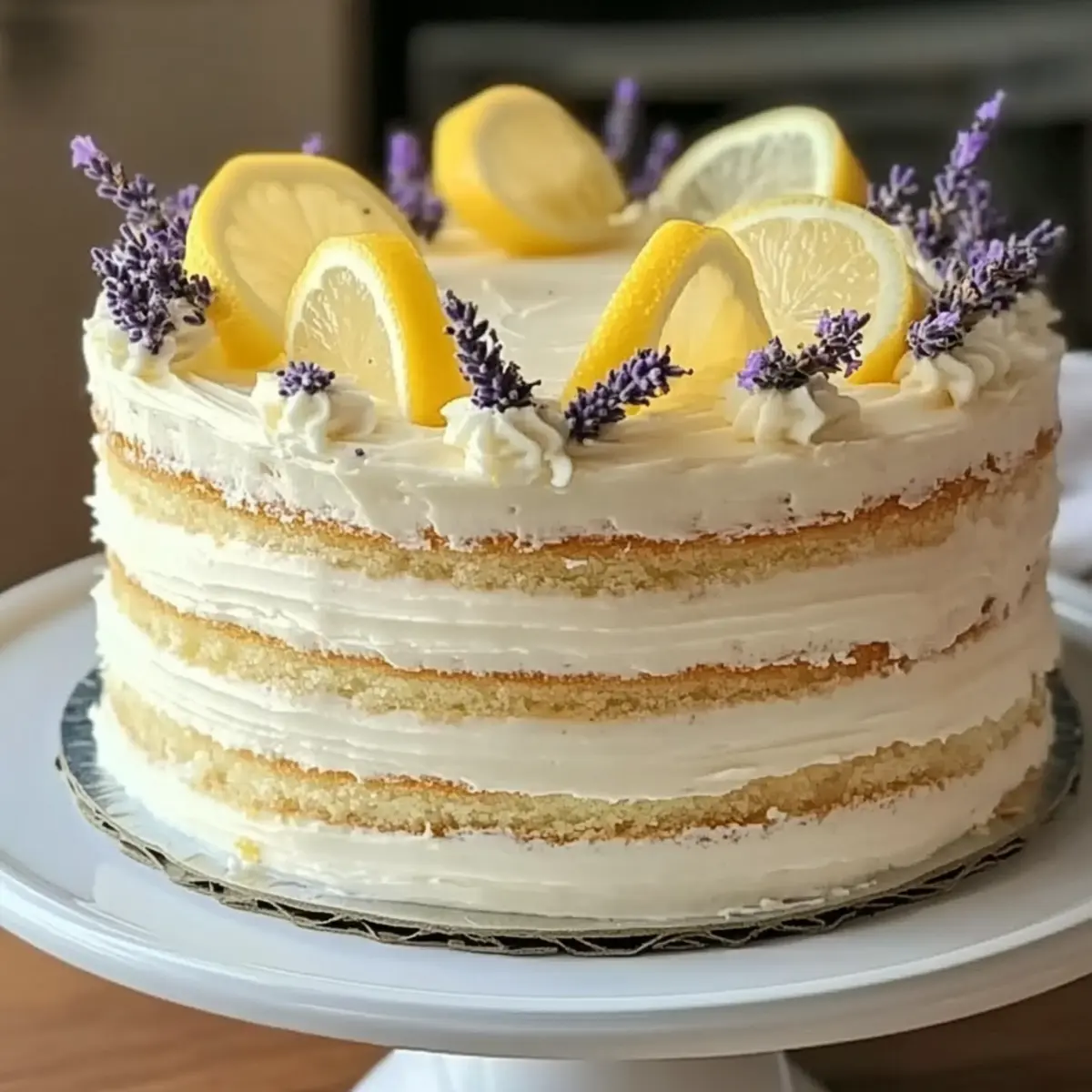
Once the cakes are completely cooled, place one layer on a serving plate and generously spread buttercream over the top. Add the second layer and pour the prepared glaze over the entire cake, allowing it to drip down the sides. Decorate with additional lavender and lemon zest for a beautiful presentation, making this Lemon Lavender Cake a stunning centerpiece for any occasion.
Expert Tips for Lemon Lavender Cake
-
Fresh Ingredients: Always use fresh eggs, milk, and baking powder for the best rise and flavor in your Lemon Lavender Cake.
-
Gentle Lavender Steeping: Steep lavender flowers slowly to avoid a bitter taste; strain thoroughly to ensure a smooth batter.
-
Measure Carefully: Accurate measurements are crucial for baking success. Use a kitchen scale for precision when measuring flour and sugar.
-
Don’t Overmix: Mix the batter just until combined to keep your Lemon Lavender Cake light and fluffy; overmixing can lead to a dense texture.
-
Cooling Time: Allow the cakes to cool completely before glazing and frosting. This prevents melting and ensures a pretty finish.
What to Serve with Lemon Lavender Cake?
Indulging in a slice of this delightful cake opens up a world of pairing possibilities, making every celebration even sweeter.
-
Fresh Berries: The bright acidity of strawberries or raspberries adds a refreshing contrast that enhances the cake’s floral notes beautifully.
-
Whipped Mascarpone: Light and creamy, this topping complements the cake’s texture while adding a rich, velvety finish that is heavenly.
-
Herbal Iced Tea: A chilled mint or chamomile tea brings out the herbal qualities of the lavender, creating a harmonious flavor experience.
-
Citrus Sorbet: A scoop of lemon or lime sorbet cleanses the palate and intensifies the cake’s citrus notes for a refreshing dessert moment.
-
Lemonade: The bright, zesty flavors in lemonade echo the cake’s citrus profile, making it a perfect thirst-quencher alongside this sweet treat.
-
Prosecco or Sparkling Wine: The bubbles and light sweetness of prosecco elevate the dessert experience, adding a celebratory touch to your gathering.
-
Honey Drizzle: A light drizzle of honey over each slice enhances the sweetness while offering a beautiful glaze that adds elegance to your serving.
-
Almond Biscotti: These crunchy, nutty delights provide an enjoyable texture contrast to the cake, perfect for an afternoon coffee or tea break.
Lemon Lavender Cake Variations & Substitutions
Feel free to explore and customize this delightful Lemon Lavender Cake to perfectly suit your taste and preferences!
-
Gluten-Free: Substitute the all-purpose flour with a gluten-free blend for a deliciously airy texture without gluten.
-
Dairy-Free Delight: Swap unsalted butter with coconut oil or vegan butter, and use almond or oat milk to keep it creamy yet dairy-free.
-
Citrus Swap: Use lime juice instead of lemon juice for a refreshing twist on the classic flavor, elevating your cake to new heights.
-
Sweet and Fruity: Replace half the lemon juice with orange juice for a sweeter, vibrant flavor that adds a lovely citrusy note to the cake.
-
Flavor Boost: Fold in poppy seeds to your batter for added texture and visual flair. These little pops of flavor harmonize beautifully with the lavender.
-
Herbal Twist: Consider swapping lavender for finely chopped fresh rosemary for a savory note, creating a uniquely grown-up cake that intrigues the palate.
-
Lavender Infusion: Enhance the glaze with additional lavender or replace some powdered sugar with honey for a floral, sticky sweetness that’s heavenly.
-
Frosting Fusion: Mix in a bit of cream cheese with the butter while preparing the frosting, giving it a rich tang that pairs wonderfully with the cake.
No matter how you choose to make it, you’ll find joy in creating your own version of this cake! And if you’re in the mood for something equally delightful, don’t miss checking out the tempting Lemon Velvet Cake or the indulgent Baked Lemon Butter Chicken, both of which are sure to brighten your culinary adventures!
How to Store and Freeze Lemon Lavender Cake
Room Temperature: Store the Lemon Lavender Cake at room temperature for up to 2 days in an airtight container to maintain its moisture and freshness.
Fridge: Keep leftovers in the refrigerator, covered tightly, for up to 4 days. This helps preserve the cake’s delightful flavors while keeping it soft and delicious.
Freezer: For longer storage, wrap slices of the cake in plastic wrap and then aluminum foil before placing them in the freezer. It can last for up to 2 months.
Reheating: To enjoy the cake after freezing, thaw it in the fridge overnight and bring it to room temperature before serving. A quick warm-up in the microwave for 10-15 seconds can enhance its flavors wonderfully.
Make Ahead Options
These Lemon Lavender Cakes are perfect for busy home cooks looking to streamline their meal planning! You can prepare the cake layers up to 24 hours in advance by baking them and allowing them to cool completely. Once cooled, wrap each layer tightly in plastic wrap to ensure they stay moist. You can also mix the buttercream frosting and refrigerate it for up to 3 days; just give it a quick stir before spreading it on the cake. The glaze can be made ahead and stored in the fridge as well; simply warm it slightly before use. When you’re ready to serve, assemble the cake, pour the glaze, and enjoy your beautifully crafted Lemon Lavender Cake with minimal effort!
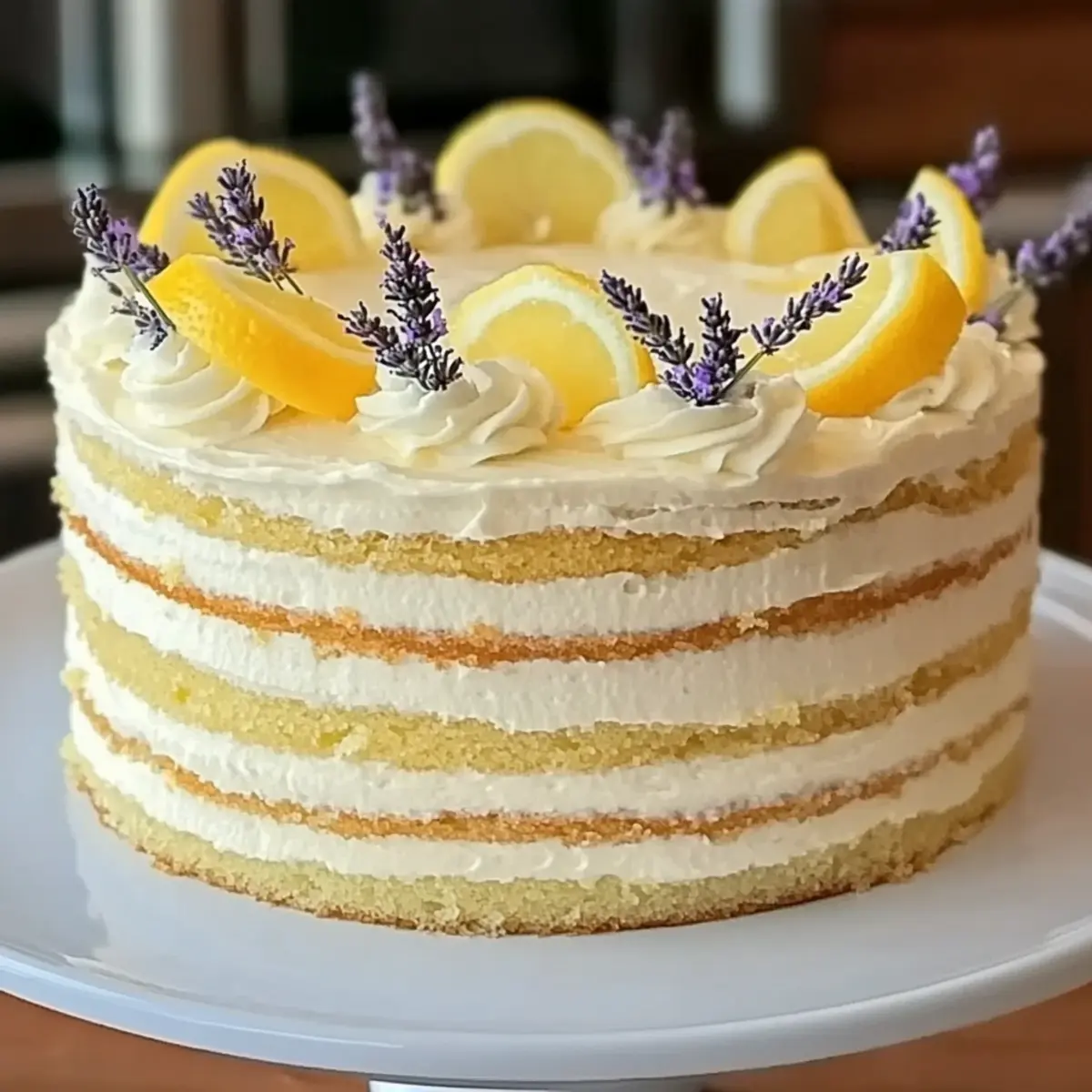
Lemon Lavender Cake Recipe FAQs
How do I choose ripe lemons for the Lemon Lavender Cake?
Absolutely! Look for lemons that are bright yellow and firm, without any dark spots or wrinkles. Fresh lemons will have a slightly porous skin and a vibrant aroma. If they’re a bit softer to the touch, they may be overripe, while hard lemons might not provide enough juice, making them less ideal for this fragrant cake.
What is the best way to store leftover Lemon Lavender Cake?
After enjoying a slice or two of your delightful Lemon Lavender Cake, keep the remaining pieces in an airtight container in the refrigerator for up to 4 days. If you want to maintain that fresh, moist texture, be sure to wrap it tightly in plastic wrap before placing it in the container. This will help preserve its lovely flavors and springy crumb while keeping it delicious!
Can I freeze Lemon Lavender Cake?
Yes, freezing is a great option! To freeze your Lemon Lavender Cake, first allow it to cool completely. Then, wrap individual slices tightly in plastic wrap, followed by a layer of aluminum foil to prevent freezer burn. You can store them in the freezer for up to 2 months. When you’re ready to treat yourself, simply thaw the slices in the fridge overnight and let them come to room temperature before enjoying.
What if my cake turns out dense?
Very! If your Lemon Lavender Cake is dense, it’s often due to overmixing the batter or using too much flour. To avoid this, gently fold the wet and dry ingredients until just combined— a few lumps are perfectly fine! Additionally, always use fresh baking powder and make sure to measure your flour correctly, using spoon-and-level or a kitchen scale can be best.
Are there any dietary considerations for this recipe?
Definitely! If you have dietary restrictions, there are plenty of substitutions for the Lemon Lavender Cake. To make it gluten-free, use a gluten-free flour blend. For dairy-free versions, swap out the butter for coconut oil and use almond or oat milk instead of whole milk. If you’re vegan, an egg replacer can easily substitute the eggs! Always make sure your lavender is culinary grade and your other ingredients are allergen-free.
How can I enhance the floral flavor of the cake?
If you want to intensify the floral notes in your Lemon Lavender Cake, try using more dried culinary lavender buds—start with an additional teaspoon! When infusing the milk, make sure to steep the lavender gently, no longer than 15 minutes. Also, after decorating, sprinkle a few extra lavender buds on top for both flavor and presentation. Enjoy the blissful aroma that will enhance your cake experience!
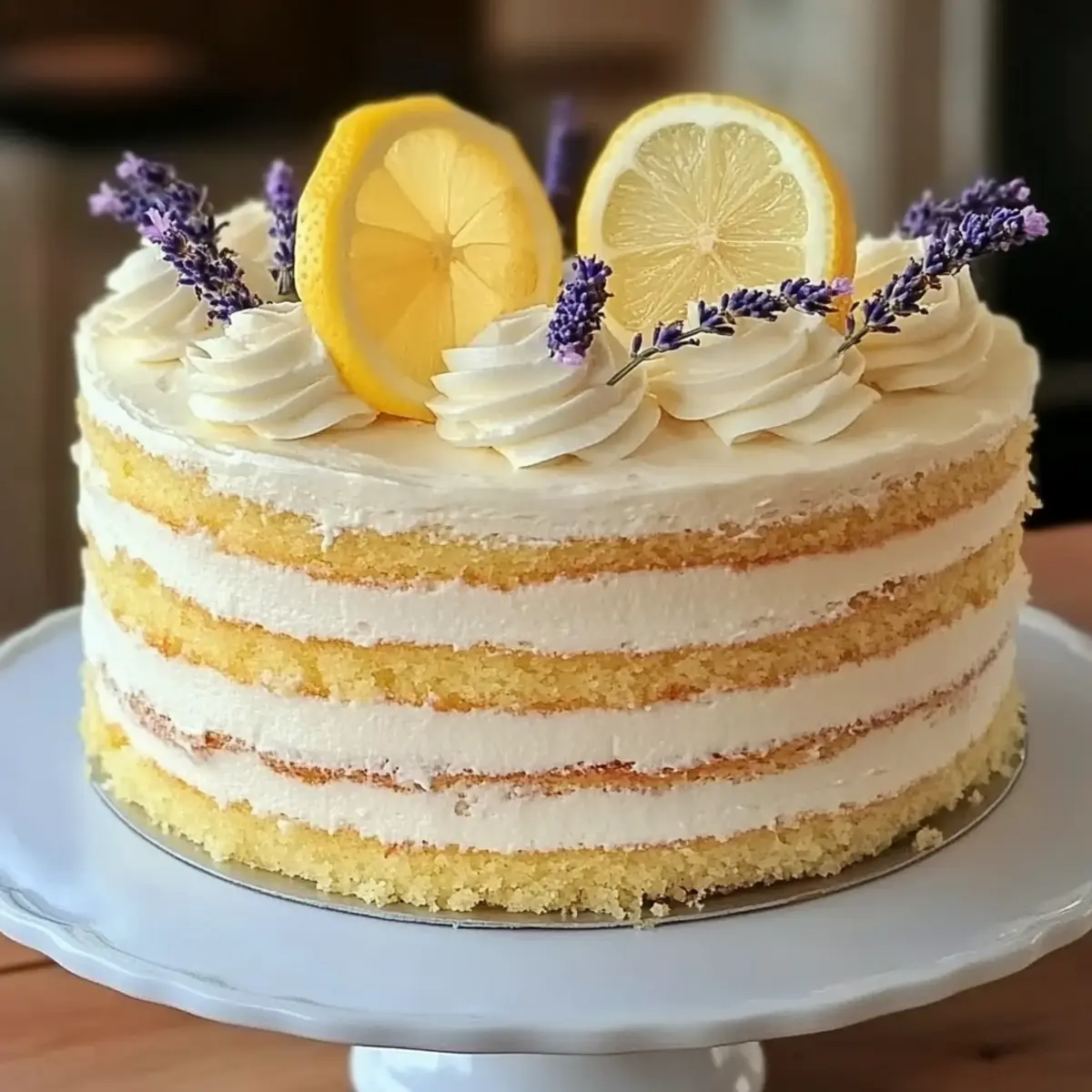
Lemon Lavender Cake: A Blissful Slice of Spring Charm
Ingredients
Equipment
Method
- Preheat the oven to 350°F (175°C) and prepare two 9-inch round cake pans.
- In a medium saucepan, gently warm the whole milk and steep the dried lavender buds for about 15 minutes.
- Mix the dry ingredients: combine flour, baking powder, baking soda, and salt in a large mixing bowl.
- Cream the softened butter and granulated sugar using an electric mixer until light and fluffy, then add eggs one at a time.
- Gradually incorporate the flour mixture alternately with the lavender-infused milk until just combined.
- Pour the batter into the prepared cake pans and bake for 25 to 30 minutes until a toothpick comes out clean.
- Remove from the oven and cool in pans for about 10 minutes before transferring to a wire rack to cool completely.
- Prepare the glaze by whisking powdered sugar, lemon juice, lemon zest, and lavender until smooth.
- Make the buttercream by beating softened butter, then adding powdered sugar, cream, lemon juice, lemon zest, and lavender.
- Assemble the cake by spreading buttercream on one layer, adding the second layer, and pouring glaze over the top.